
This post may contain affiliate links. Please read our disclosure policy.
This classic vanilla panna cotta recipe is rich, creamy, and made with just five simple ingredients. Learn how to make this easy, no-bake Italian dessert with tips for a perfect set, a smooth unmold, and troubleshooting help if it doesn’t set right.
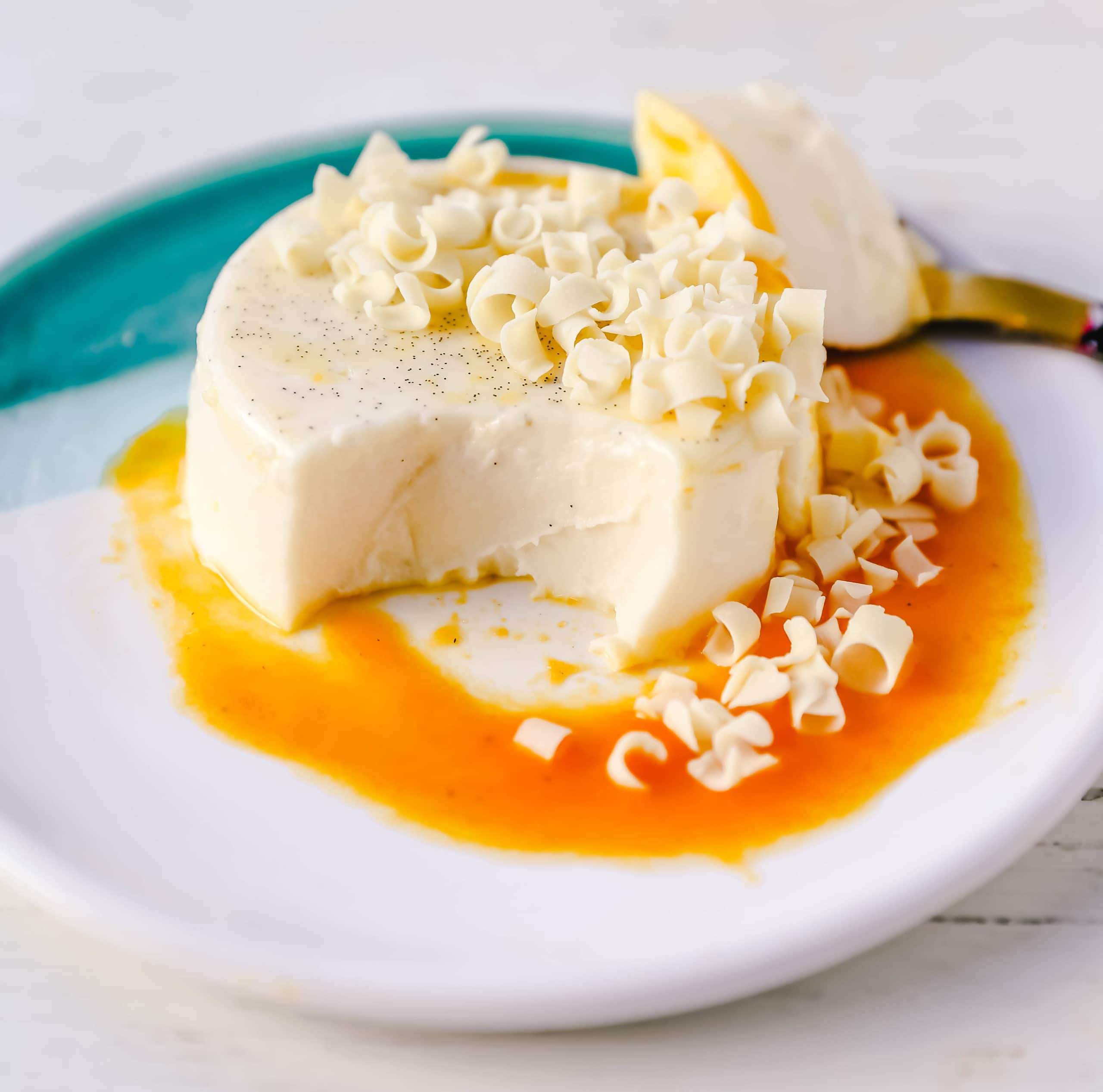
This is one of the most simple desserts you can make yet it is so stunning, elegant, and just looks fancy pants. You will knock your guests’ socks off when you pull out this gorgeous, delicious dessert! A silky smooth, creamy vanilla bean dessert made with cream, sugar, gelatin, and vanilla beans. An Italian favorite dessert!
When we visited Italy, one of the favorite desserts we tried during our trip was in the tiny and picturesque town of Montepulciano. It is set in the Tuscan region of Italy and perched high on a hill. We visited a restaurant with only 3 employees, and they made everything from scratch, made to order. I had the best panna cotta of my life, and I had to ask her the secrets to making the best panna cotta.
Panna cotta means “cooked cream” in Italian, and it might just be the easiest impressive dessert you’ll ever make. Silky, rich, and delicately wobbly, this classic vanilla panna cotta comes together with just five ingredients and no baking required — the kind of dessert that looks like it took real skill but is genuinely simple enough for a weeknight, and elegant enough for a dinner party.
This version is made entirely with heavy cream, giving it an especially rich, luxurious texture compared to versions that cut the cream with milk. Sweetened gently and flavored with real vanilla, it sets into a soft, custard-like dessert that’s smooth on the tongue and just firm enough to hold its shape when unmolded. Top it with fresh berries, a fruit sauce, or a drizzle of caramel, and you’ve got a dessert that feels like it came from an Italian restaurant, made entirely in your own kitchen.
Panna cotta also happens to be one of the best make-ahead desserts out there. Since it needs several hours to chill and set, it’s actually easier to make it a day in advance than to try to pull it together same-day — which makes it a genuinely low-stress option for entertaining.
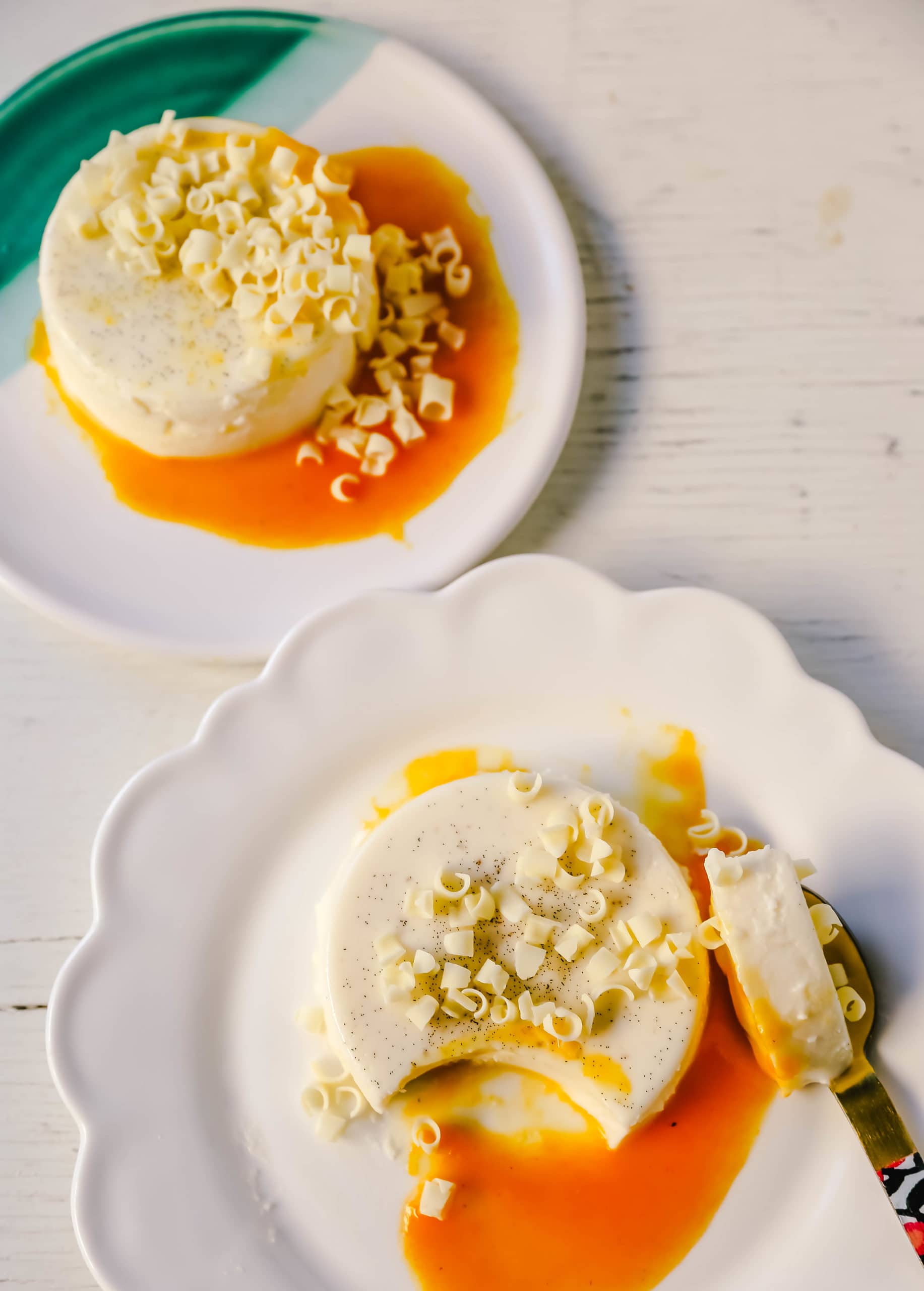
What is Panna Cotta?
Panna cotta is a classic Italian dessert, and its name literally translates to “cooked cream.” Unlike custards such as crème brûlée or flan, panna cotta contains no eggs — instead, it gets its silky, set texture from gelatin, which is dissolved into sweetened, heated cream and then chilled until firm. The result is a dessert with a delicate wobble and an incredibly smooth, melt-in-your-mouth texture, traditionally unmolded onto a plate and served with a fruit sauce or fresh fruit.
Ingredients for Vanilla Panna Cotta:
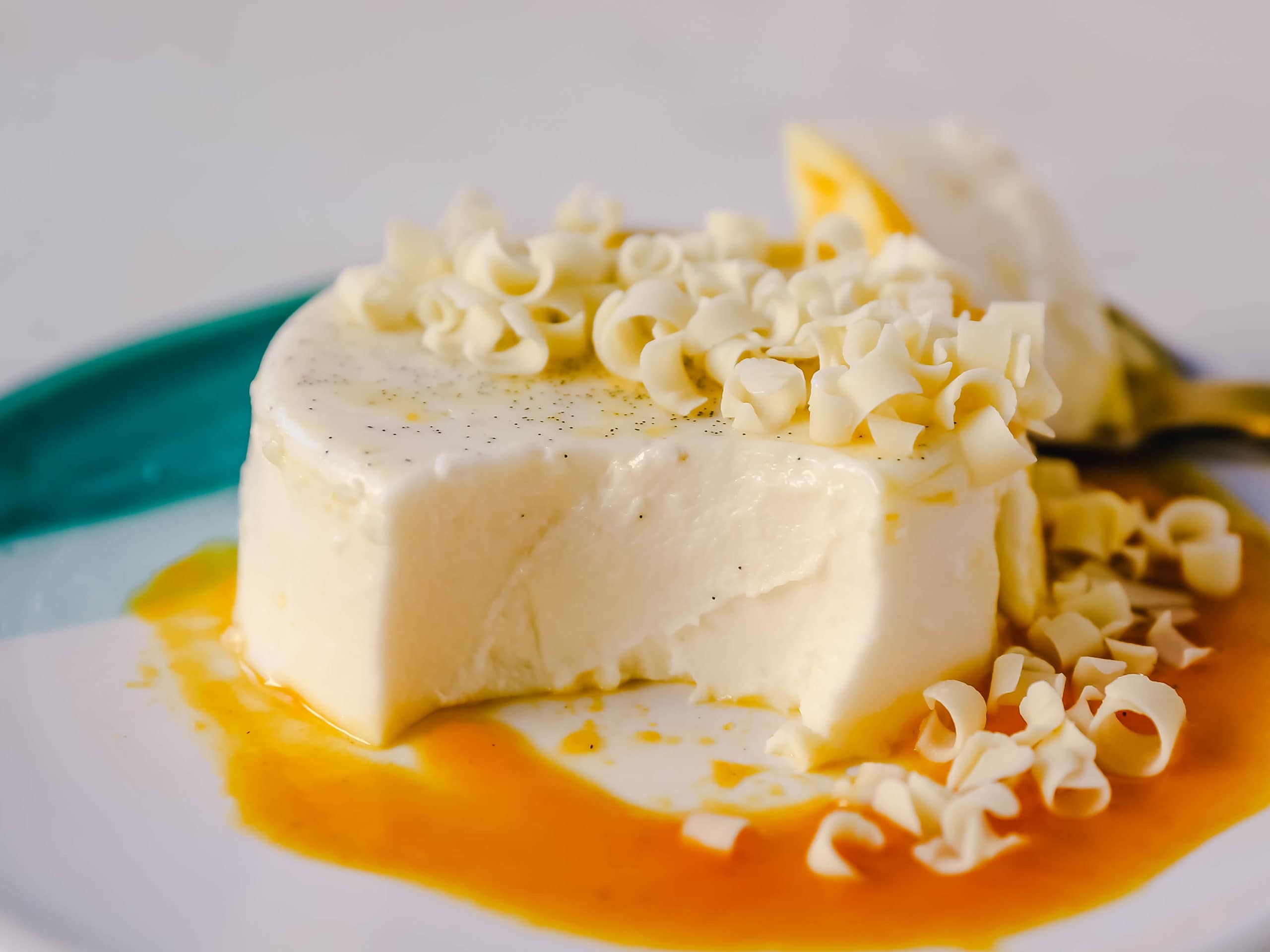
You only need 5 ingredients to make homemade panna cotta at home. You will find the recipe card with measurements and instructions near the bottom of the page.
- Cold water
- Unflavored gelatin
- Heavy cream
- Sugar
- Vanilla bean paste (or vanilla extract)
Using vanilla bean paste (or real vanilla beans) instead of extract adds beautiful flecks of vanilla throughout the finished panna cotta and a slightly more complex flavor, though pure vanilla extract works perfectly well if that’s what you have on hand.
The ingredients needed to make panna cotta are so simple — heavy cream, sugar, gelatin, and vanilla. That’s it! The results are a perfectly creamy, silky smooth dessert that can be infused with so many flavors.
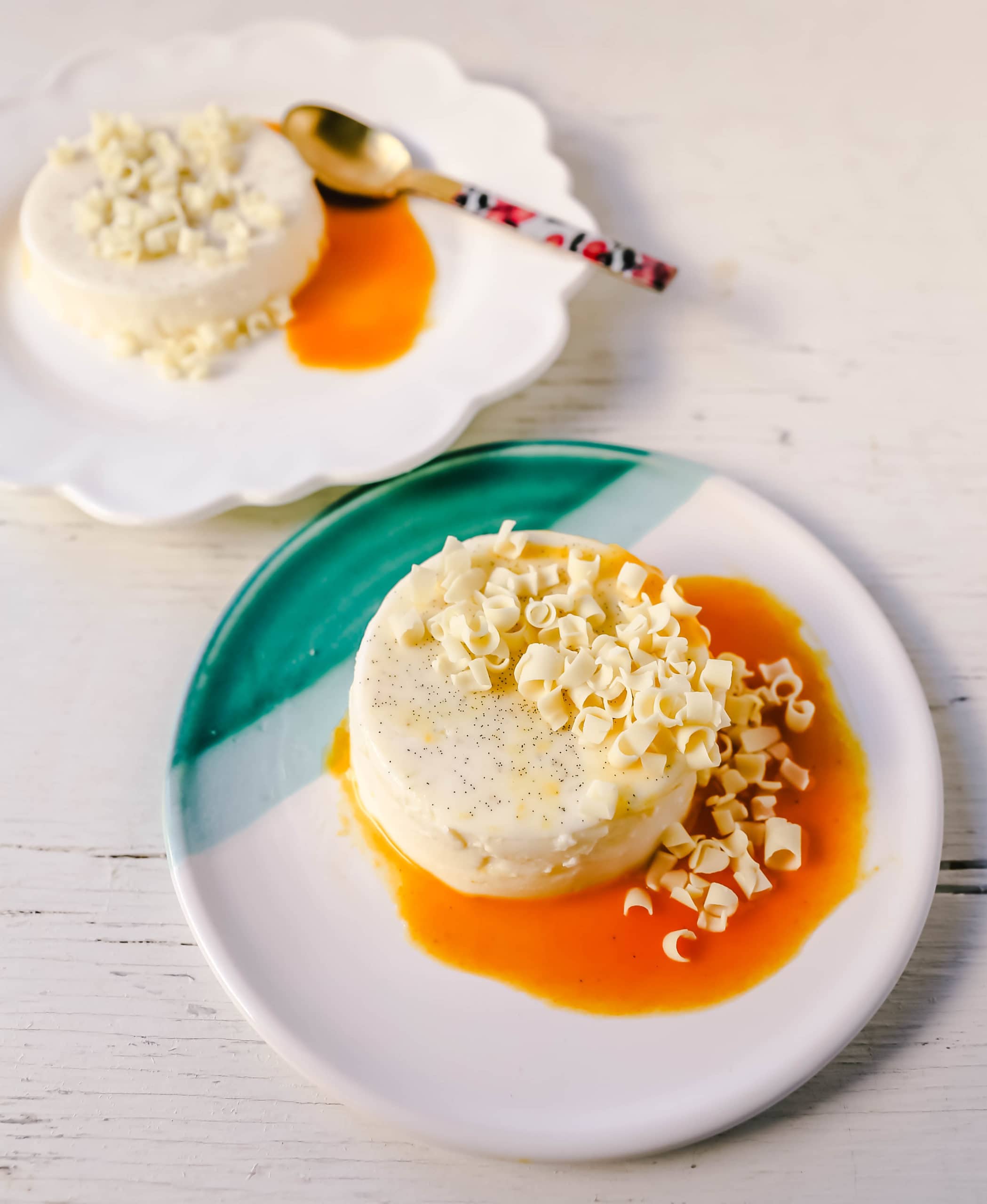
How to make Vanilla Panna Cotta:
- Bloom the gelatin. Sprinkle the gelatin into a bowl with the cold water and let it stand for at least 5 minutes to fully soften and hydrate. This step matters more than it seems — rushing it can lead to a grainy texture later on.
- Dissolve the gelatin completely, if needed. If you want to be certain the gelatin is fully dissolved, place the bloomed gelatin in a small saucepan and heat gently over low heat, stirring, until completely smooth and dissolved.
- Heat the cream and sugar. In a large saucepan, heat the heavy cream and sugar over medium heat, whisking often, until the mixture is hot and steaming and the sugar has fully dissolved. Do not let it come to a full boil — boiling can scorch the cream and affect the final texture.
- Add the gelatin and vanilla. Remove the pan from the heat and whisk in the gelatin mixture and vanilla bean paste (or extract) until fully combined and smooth.
- Divide into ramekins. Pour the mixture evenly into four 1/2-cup ramekins.
- Cool before chilling. Let the mixture come to room temperature before placing the ramekins in the refrigerator, to help them chill and set evenly.
- Chill. Cover and refrigerate for at least 4 hours, or until fully set. For best results, chilling overnight gives an even more reliable set.
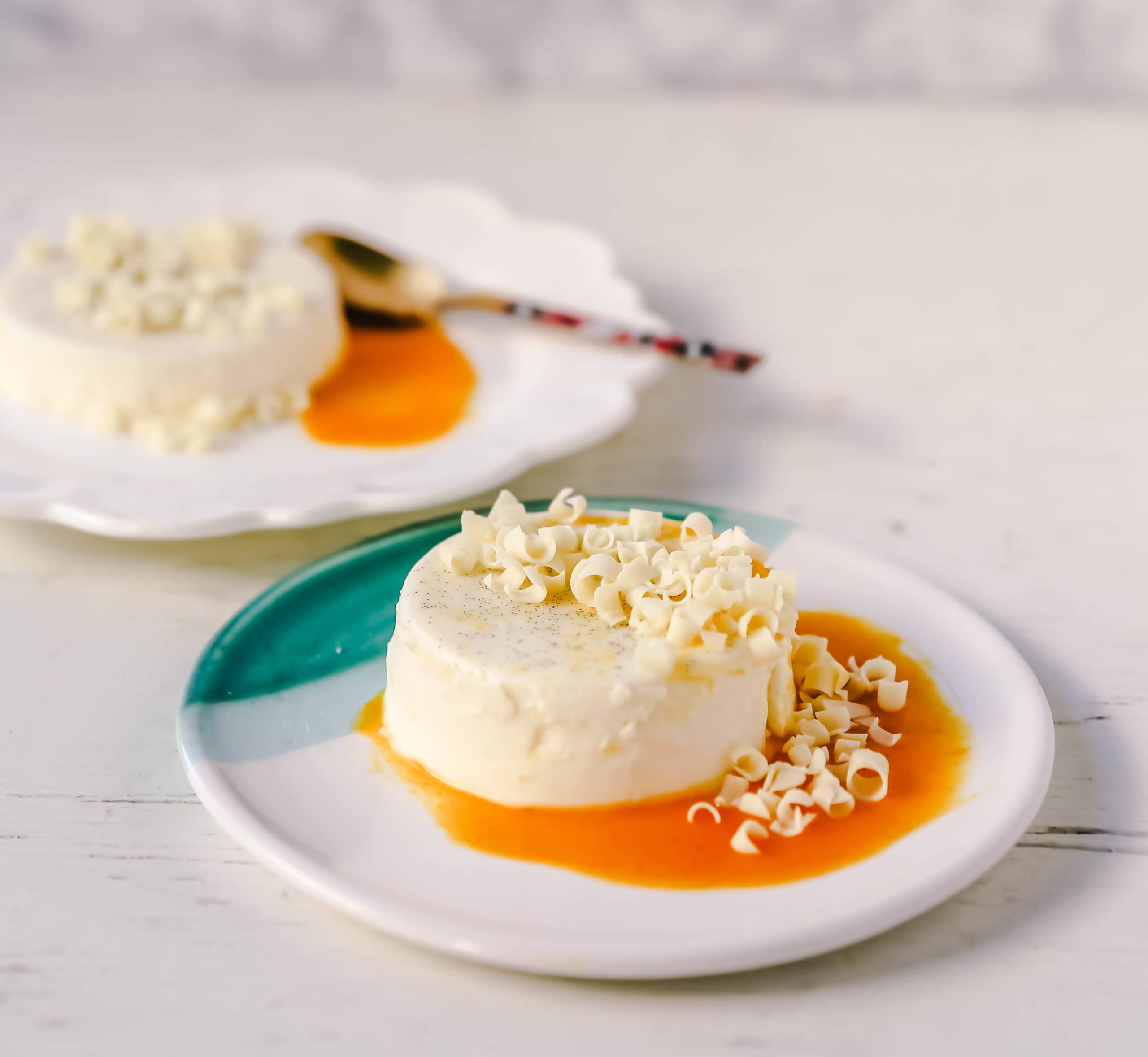
- Unmold and serve. To unmold, dip each ramekin into a bowl of hot water for several seconds, then run a knife along the edge. Invert onto the center of a serving plate. Top with your favorite fresh fruit or sauce.
Tips for the Best Panna Cotta
- Don’t rush the gelatin bloom. Giving the gelatin a full 5 minutes (or more) in the cold water ensures it fully hydrates, which is essential for a smooth, non-grainy final texture.
- Watch the cream closely and avoid a full boil. Heating the cream just until it’s hot and steaming, rather than boiling, protects both the flavor and the delicate texture of the finished panna cotta.
- Whisk thoroughly after adding the gelatin. Make sure there are no undissolved gelatin granules remaining before pouring into ramekins — any lumps will remain in the finished dessert.
- Let the mixture cool to room temperature before chilling. Placing a hot mixture directly into the fridge can lead to uneven setting and condensation inside the container.
- Dip briefly, don’t soak, when unmolding. A few seconds in hot water is enough to loosen the edges — soaking too long can begin to melt the panna cotta itself.
Frequently Asked Questions
Why isn’t my panna cotta setting? This is usually caused by not blooming the gelatin long enough, using too little gelatin relative to the liquid, or not fully dissolving the gelatin before it’s mixed into the cream. Make sure to bloom the gelatin for at least 5 minutes and whisk thoroughly until no granules remain.
Why is my panna cotta grainy? Graininess typically comes from gelatin that wasn’t fully bloomed or dissolved before being incorporated into the cream mixture. Boiling the cream too aggressively can also affect texture. Following the bloom time and avoiding a full boil should help prevent this.
Can I use milk instead of heavy cream? You can substitute part of the heavy cream with half-and-half for a lighter texture, though using milk entirely in place of cream will result in a less rich, less silky panna cotta than the classic version.
How far ahead can I make panna cotta? Panna cotta is an excellent make-ahead dessert. It needs at least 4 hours to set, but can be made up to 2 days in advance and stored covered in the refrigerator until ready to serve.
Can I make panna cotta without gelatin? Yes, agar-agar (a plant-based gelling agent) can be used as a vegetarian substitute, though it sets firmer than gelatin and requires different preparation, typically needing to be briefly boiled to activate.
Is panna cotta gluten-free? Yes, this classic panna cotta recipe is naturally gluten-free, since it doesn’t contain any flour or gluten-based ingredients.
Why did my panna cotta not release from the ramekin cleanly? This usually means it wasn’t dipped in hot water long enough to loosen the edges, or the knife wasn’t run all the way around the inside edge before inverting. A few seconds in hot water and a thorough pass with a thin knife should solve this.
Panna Cotta Topping Ideas:
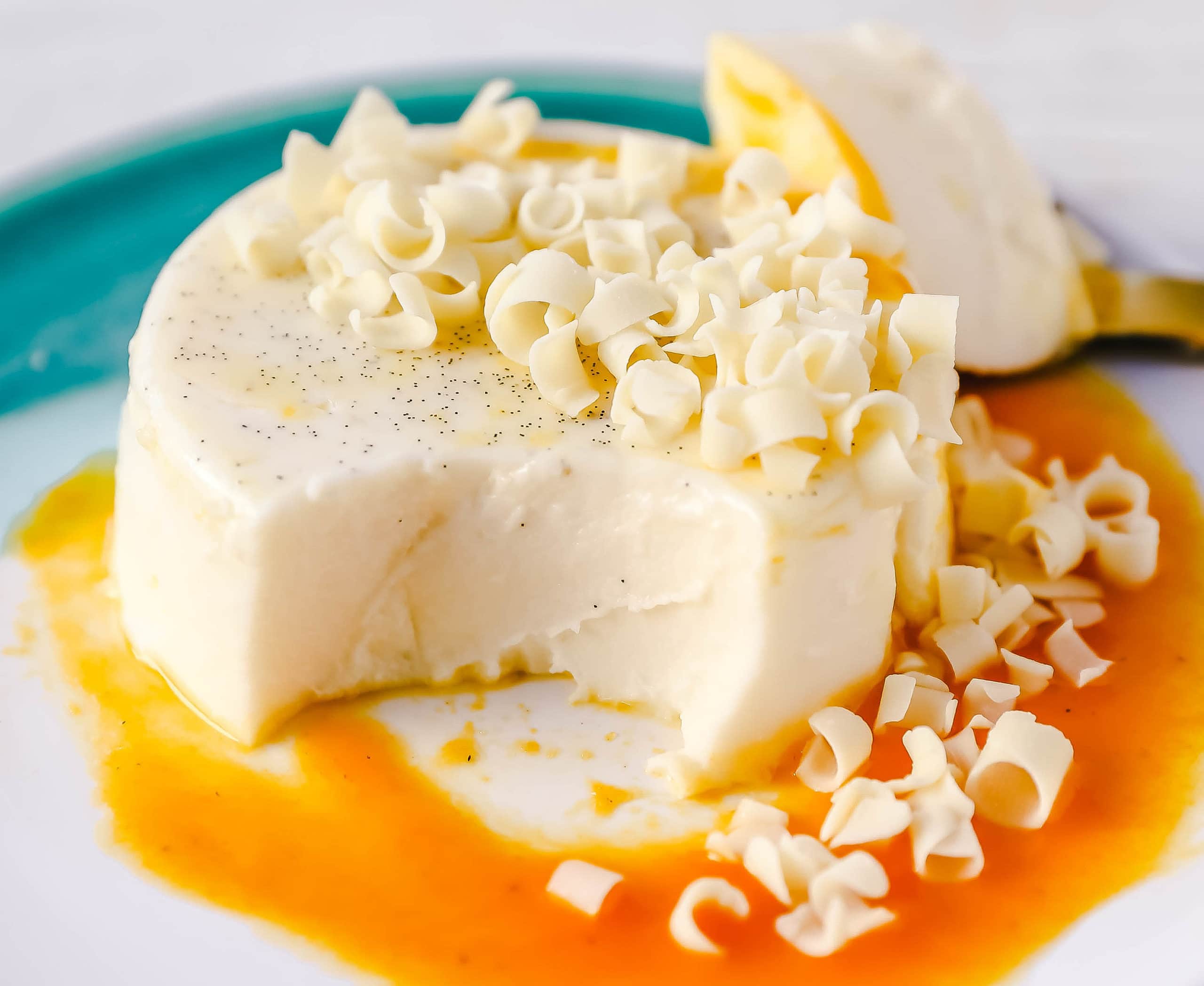
Passionfruit Panna Cotta — vanilla bean panna cotta with a passion fruit sauce and white chocolate curls
Berry Panna Cotta — vanilla panna cotta with a berry coulis and fresh berries
Tropical Panna Cotta — coconut-infused panna cotta topped with a mango coulis and fresh mangoes and coconut flakes
Sea Salt Caramel Panna Cotta — vanilla panna cotta drizzled with a homemade salted caramel sauce and sprinkled with sea salt flakes
No-Bake Desserts:
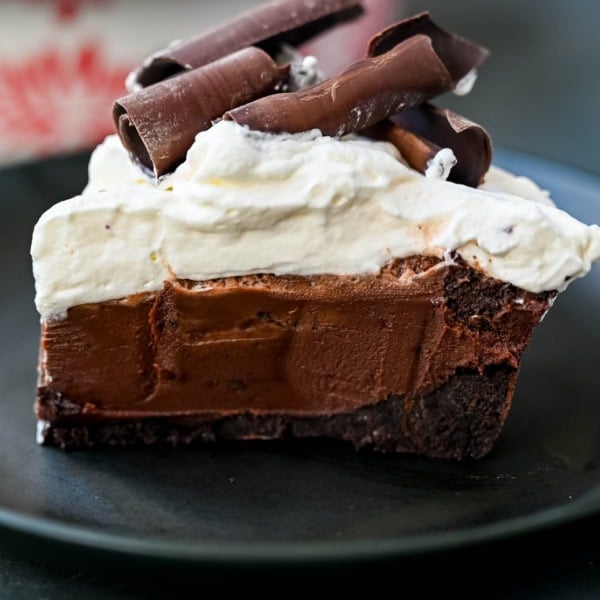
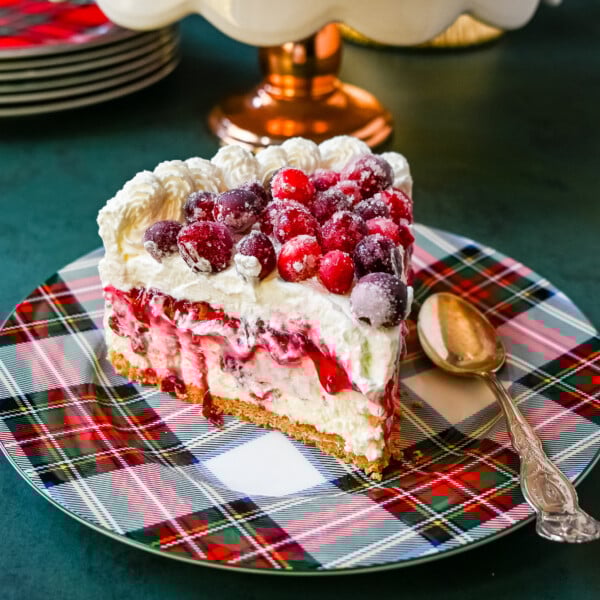
For more Italian desserts, check out my Italian Lemon Olive Oil Cake, popular Italian Ricotta Cookies, moist Orange Olive Oil Cake, classic Olive Oil Cake, or Vanilla Bean Gelato.
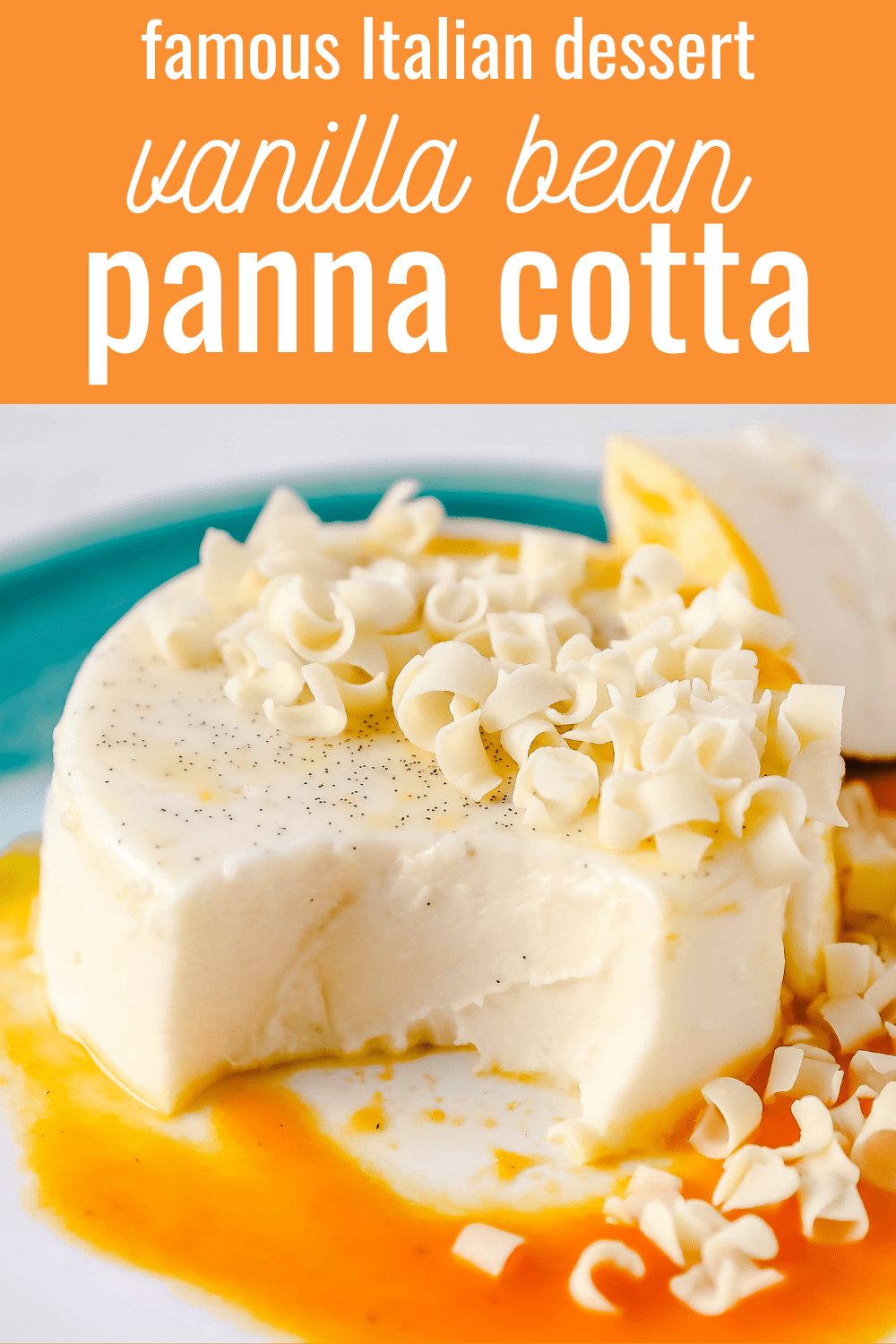
Pin this now to find it later
Pin It
Panna Cotta
Equipment
- ramekins
- measuring cups and spoons
- whisk
- spatula set
Ingredients
- 1 1/2 Tablespoon Cold Water
- 2 teaspoons Unflavored Gelatin
- 2 cups Heavy Cream
- 1/4 cup Sugar
- 2 teaspoons Vanilla Bean Paste (or extract)
Instructions
- Bloom the gelatin. Sprinkle the gelatin into a bowl with the cold water and let it stand for at least 5 minutes to fully soften and hydrate. This step matters more than it seems — rushing it can lead to a grainy texture later on.
- Dissolve the gelatin completely, if needed. If you want to be certain the gelatin is fully dissolved, place the bloomed gelatin in a small saucepan and heat gently over low heat, stirring, until completely smooth and dissolved
- Heat the cream and sugar. In a large saucepan, heat the heavy cream and sugar over medium heat, whisking often, until the mixture is hot and steaming and the sugar has fully dissolved. Do not let it come to a full boil — boiling can scorch the cream and affect the final texture.
- Add the gelatin and vanilla. Remove the pan from the heat and whisk in the gelatin mixture and vanilla bean paste (or extract) until fully combined and smooth. Divide into ramekins. Pour the mixture evenly into four 1/2-cup ramekins.
- Cool before chilling. Let the mixture come to room temperature before placing the ramekins in the refrigerator, to help them chill and set evenly. Chill. Cover and refrigerate for at least 4 hours, or until fully set. For best results, chilling overnight gives an even more reliable set.
- Unmold and serve. To unmold, dip each ramekin into a bowl of hot water for several seconds, then run a knife along the edge. Invert onto the center of a serving plate. Top with your favorite fresh fruit or sauce.
Nutrition information is automatically calculated, so should only be used as an approximation.










Love how many toppings you can put on this recipe. It tastes amazing with fresh raspberries. Love this one!
It sounds delicious with raspberries! Thank you for making this recipe Tera!
I tried the berry panna cotta variation and it turned out incredible!!! You were right when you said that everyone would be impressed. SOOO yummy.
I am so glad that everyone loved it, Vanessa! Thank you for making this recipe.
Hi Melissa!
I love this recipe! Any idea if I could also make this a chocolate Panna Cotta by adding cocoa powder? Asking for a (chocoholic) friend. ; )
I’d like to know the toppings you use on the panna cotta pictured…
Thank you…
Teresa. I’m betting the topping is shaved white chocolate curls. I do it all the time. Get a bar of good white chocolate, chill it and use a vegetable peeler to “shave” the chocolate. Best to shave along the thin 4 edges of the bar for thin curls.
Thank you Kathryn – I just saw this:
Passionfruit Panna Cotta — vanilla bean panna cotta with a passion fruit sauce and white chocolate curls
You were right!
Good to know Teresa! It’s one of those “oh so simple” things you can do that are so easy but give a finished dessert that “wow” factor. I’ve even used a wide cheese plane to make extra large chocolate curls. I always chill the chocolate first, stays firmer and no melting. Happy Baking!
This was delicious but I do have one question. Is the gelatin supposed to be set by the time your cream is hot? 1 1/2 TBSP water to 2 tsp gelatin doesn’t seem like much of a difference with dissolving the gelatin
Thank you chef hope more recipies to come for cookies and pastries,