
This post may contain affiliate links. Please read our disclosure policy.
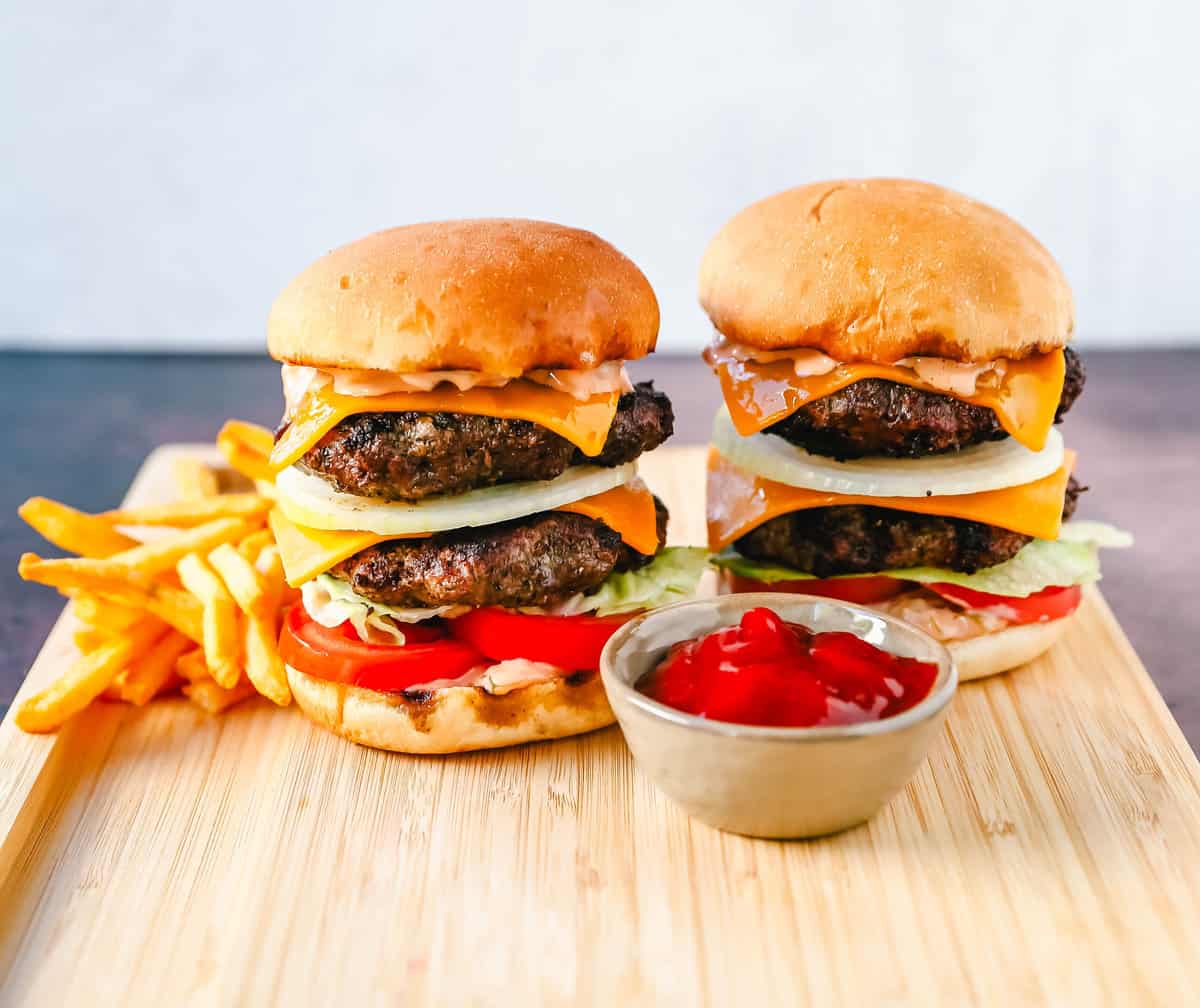
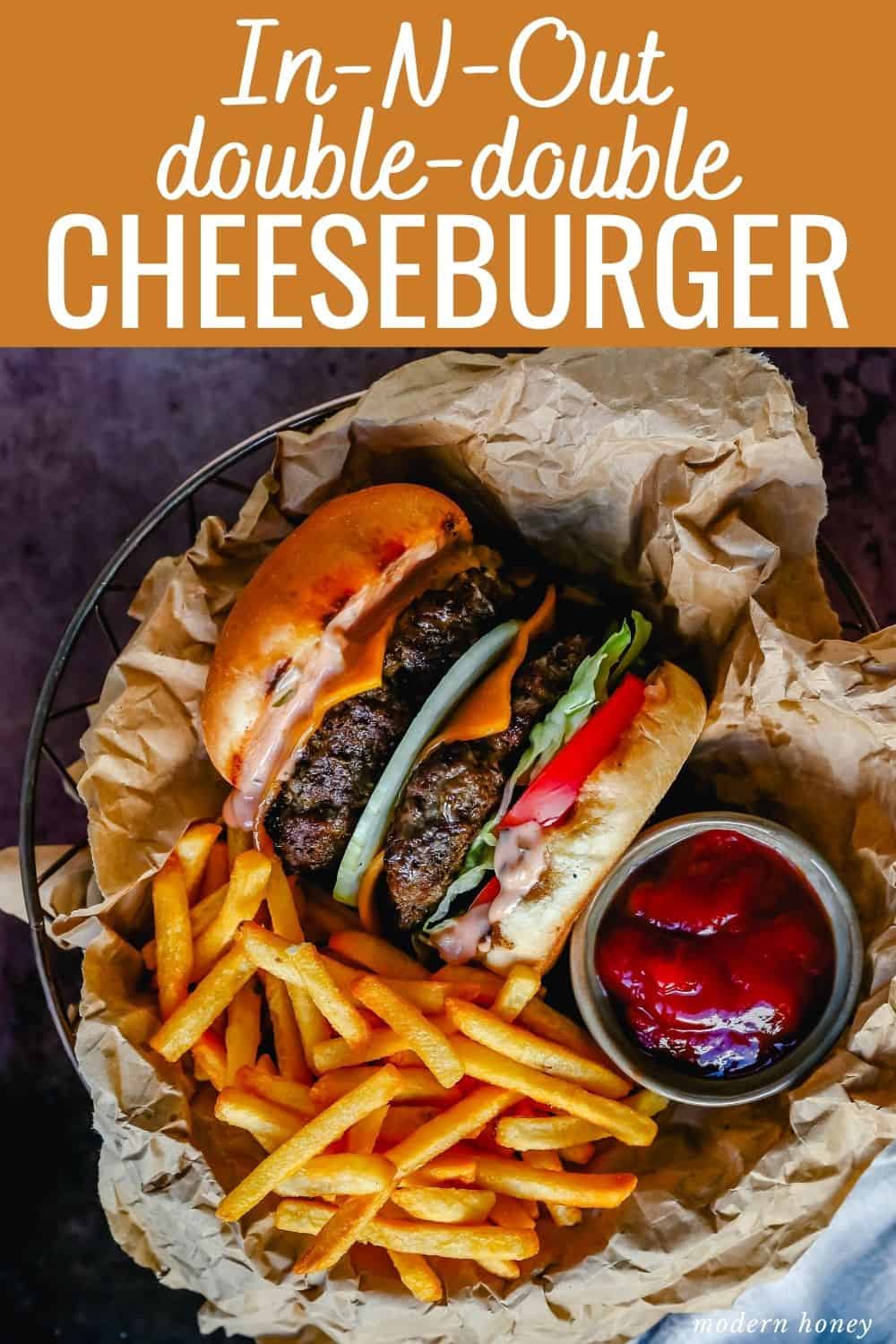
Classic All-American Cheeseburger with Cheddar Cheese and topped with burger sauce, lettuce, tomatoes, and onion. How to make the best homemade grilled cheeseburger…just like the In-N-Out Double-Double!
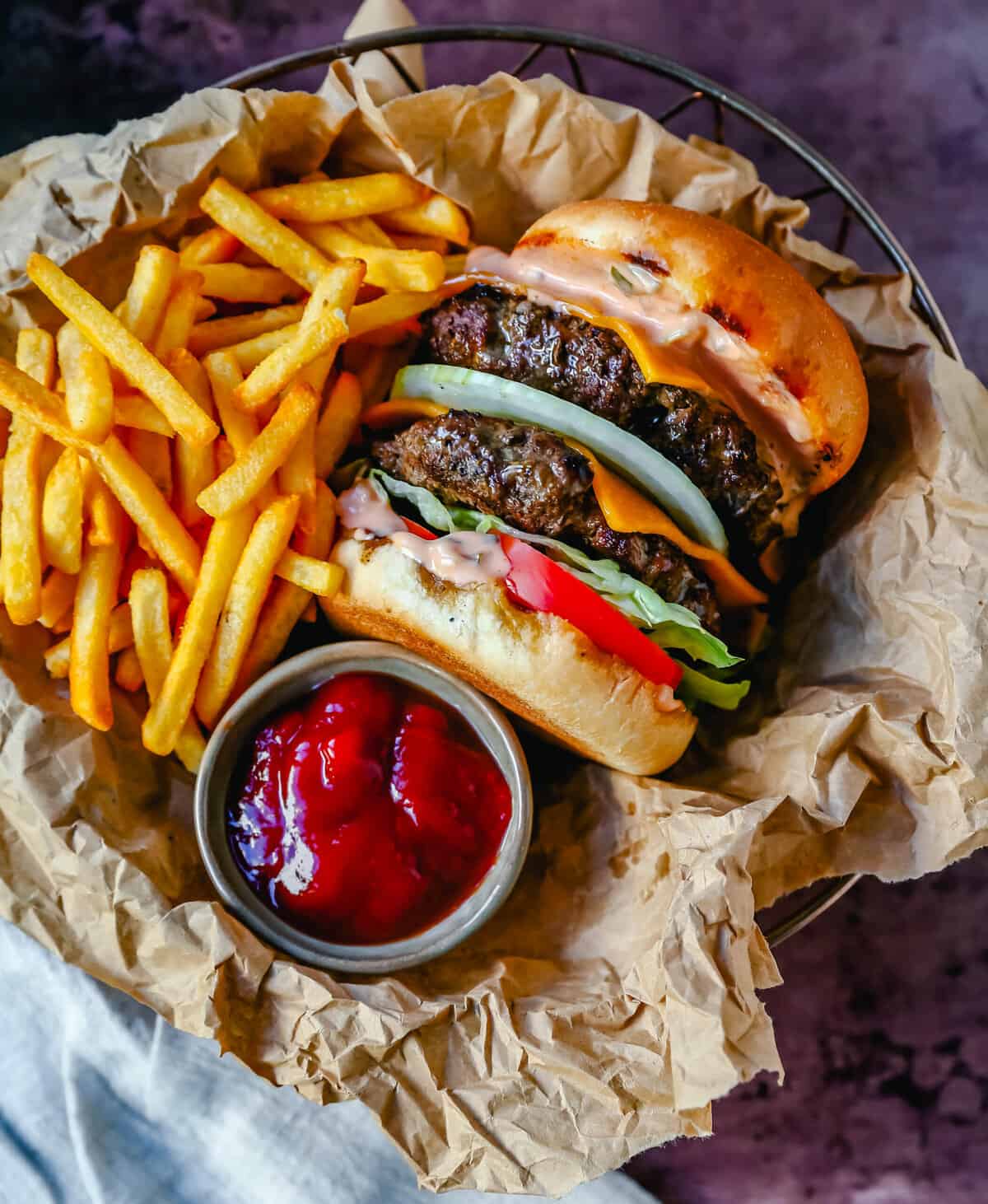
It’s almost Memorial Day which is the official kick-off to summer. My kids are finishing up school in two days and we are ready for some lazy summer days spent by the pool and grilling up a storm. We are big burger fans in our home and love experimenting with all types of burgers and toppings.
I am sharing all of the tips and tricks I have learned and studied over the years on how to make the best cheeseburgers at home. It is so much simpler than you think!
There’s a reason the cheeseburger is America’s most iconic backyard dish. The good news? A truly great cheeseburger doesn’t require fancy equipment or ingredients. It comes down to understanding a handful of simple but game-changing techniques. This guide will walk you through everything you need to make the best cheeseburger of your life, right in your own backyard.
I wanted to create a Double-Double Cheeseburger like you find at In-N-Out Burger, but with thicker patties (since I never think there is enough beef on their cheeseburgers). My family goes crazy over these double cheeseburgers! Serve them with air fryer french fries and some homemade burger spread and you are good to go.
What type of Beef should you use in cheeseburgers?
It is important to choose the right type of beef to make the perfect cheeseburger. The patty is everything. It’s tempting to overthink it — mixing in eggs, breadcrumbs, Worcestershire sauce, or garlic powder — but the truth is, a great burger starts with great beef and as little interference as possible.
The single most important decision you’ll make is your fat ratio. An 80/20 blend of ground chuck (80% lean, 20% fat) is the gold standard for grilling. That fat isn’t just flavor — it’s the difference between a burger that stays moist and juicy from grill to bun, and one that shrinks into a sad, gray hockey puck. Leaner blends like 90/10 sound healthier, but on a high-heat grill, you’ll lose so much moisture that no amount of toppings can save it.
My suggestion is to go with 80/20 ground beef. This is the perfect ratio to ensure a juicy burger. If you go with a lower fat ground beef, you will end up with a drier cheeseburger.
Another suggestion is to order from the butcher counter at your local grocery store or Iocal butcher. This just ensures you are getting the freshest beef possible.
Tips on how to make grilled cheeseburgers at home:
- To ensure your grilled cheeseburgers have the perfect texture — DON’T OVERHANDLE the BEEF. Don’t compress the beef too tight…as a looser patty retains juices better which means a juicier burger. In a book called, The Food Lab, he stated, “working the meat unduly will cause proteins to cross-link with each other like tiny strips of Velcro, making your finished burgers denser and tighter with every manhandling of the beef.”
- A Cheeseburger isn’t meatloaf! Forget the fillers — the onions, the bread crumbs, the herbs. Keep it simple! You want the beef to be the star ingredient and that means just simple salt and pepper will do the trick. I remember watching Bobby Flay years ago, who is such an iconic grill master, say this over and over again. “Do sprinkle the outside of the burger liberally with salt and pepper. But do not season the meat mixture itself or add herbs, onions, or garlic to it.
- Season well but don’t salt and pepper the ground beef until the burger patties are formed. You want that coveted crust on the exterior of the burger and salt helps to create that. Sprinkle the salt on right before putting the beef on the grill.
- HEAT the GRILL on HIGH HEAT. You want the grill to be hot to maximize the crust formation on the burger and to brown the exterior. But how do you know when the burger is done? Let me share a temperature guide to know when your burger is cooked to your own personal perfection.
BURGER COOKING TEMPERATURE GUIDE (source: The Food Lab):
120 degrees F and below — RARE (red/raw in the center)
130 degrees F — MEDIUM-RARE (pink and warm)
140 degrees F — MEDIUM (totally pink, starting to dry out)
150 degrees F — MEDIUM-WELL (grayish pink, much drier)
160 degrees F and above — WELL-DONE (completely gray, very little moisture)
I suggest using a digital meat thermometer for exact accuracy.
Grilling Burgers Tips:
Fat ratio: 80/20 ground beef (chuck) is the sweet spot — enough fat for flavor and juiciness without shrinking too much
Weight: 1/3 lb for a standard burger, 1/4 lb for sliders
Don’t overwork the meat — mix minimally to avoid tough, dense patties
The thumbprint trick — press a shallow indent in the center to prevent the patty from puffing up on the grill
Salt last — season the outside right before grilling, not mixed in, to avoid a sausage-like texture
The gap between a forgettable burger and one people talk about for weeks comes down to a few small decisions made with intention. Use the right beef. Don’t skip the thermometer. Toast the bun. Add the cheese at the right moment. Let it rest. None of these steps are hard — they just require knowing why they matter. Once you’ve nailed the basics, the burger becomes a canvas — smoke it low and slow, pile on caramelized onions, experiment with cheeses, build your own signature sauce. But first, master the fundamentals.
Grill temperature for grilling burgers:
The ideal grill temp is 400–450°F to get the perfect sear on the meat. Make sure to oil the grates to prevent sticking. Getting your grill right before the patties ever touch the grates is one of the most overlooked steps in backyard burger cooking. The biggest mistake people make is throwing cold burgers onto an unprepared grill and hoping for the best. Instead, preheat your grill to between 400 and 450°F — hot enough to get a good sear and those beautiful char marks, but not so scorching that the outside burns before the inside cooks through.
What toppings to put on a Cheeseburger:
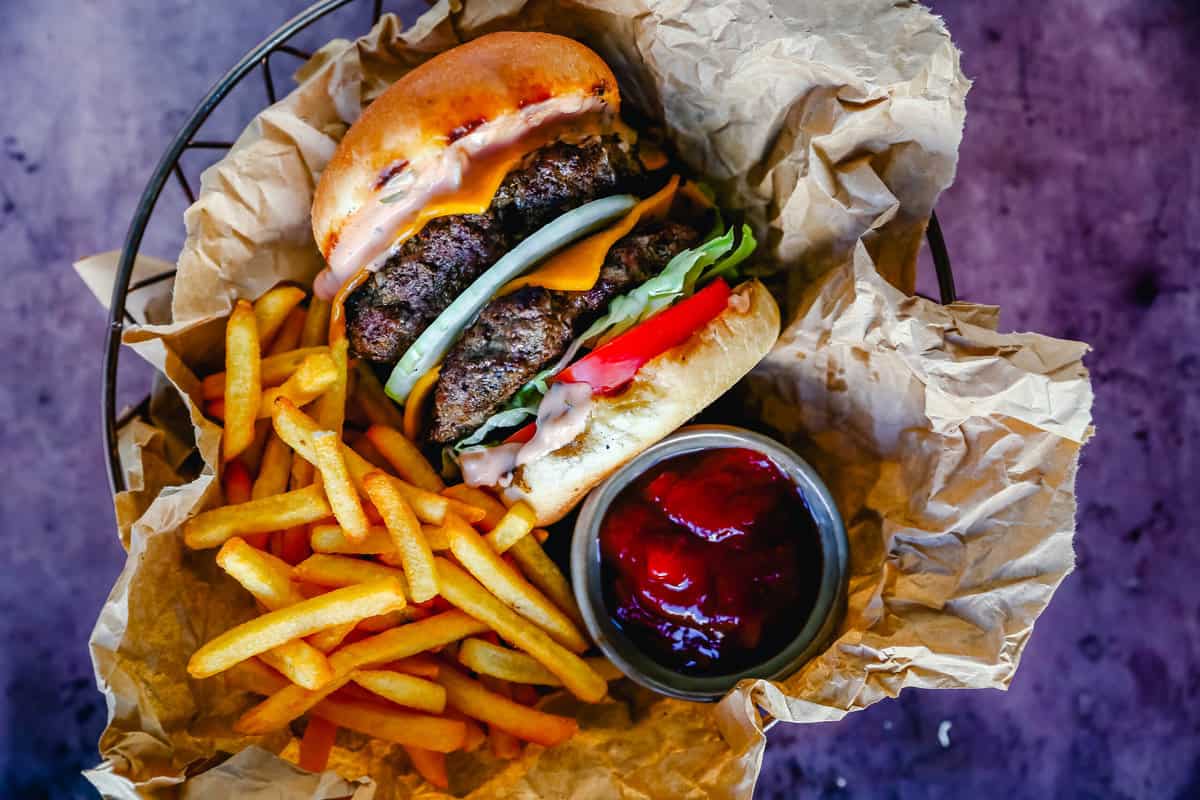
What is the best cheese for burgers? What toppings should I add on top of homemade burgers? I have the answers for you!
Cheese — American (melts best), cheddar, Swiss, pepper jack, smoked gouda. People love American cheese because it melts so beautifully but my personal fave is a medium or sharp Cheddar cheese or Pepper Jack for a bit of spice. Add cheese in the last 60–90 seconds and close the lid to trap steam Pro tip: a tiny splash of water near the cheese on the grill creates steam for a perfect melt.
Lettuce — I suggest green leaf for a beautiful pop of green or iceberg lettuce for the crispness.
Tomatoes — a thick, juicy tomato brings all of the freshness. Sprinkle with a touch of salt to bring out the flavors of the tomato.
Pickles — you either love them or hate them but they bring some tang and crunchy texture to a burger.
Red Onion — this is where things can get tricky. You don’t want to overpower your burger with onion flavor so I like to add just a few rings instead of an entire slice of onion. I also prefer using a red or sweet onion because they are milder in flavor.
Bacon — do you want to elevate your burger? It is as simple as crisping up some bacon and adding it to your burger. It just puts it over the top!
Roasted Jalapenos — you want to add a little spice to your burger? I love slicing up some jalapenos and cooking them at 400 degrees for about 8-10 minutes.
Avocado — this just adds such a creaminess to the burger that compliments bacon and tomato so well.
Ketchup — this is a must on a burger. It complements the beef perfectly!
Mustard — it is the tanginess for me. Mustard has an incredible flavor pay-off on a burger.
Mayonnaise — this may be debatable because some people can’t eat a burger without it. It depends on personal preference.
Burger Sauce — this burger spread is famous at In-N-Out Burger. It is made with ketchup, mayonnaise, sweet pickle relish, sugar, and a touch of white vinegar.
Frequently Asked Questions:
How do I keep my burgers juicy?
Avoid overmixing the meat, don’t press down on the patties while cooking, and cook just until done. Letting them rest for a few minutes helps retain juices.
What’s the best cheese for cheeseburgers?
American cheese melts the best for that classic flavor, but cheddar, Swiss, or pepper jack are great options too.
Can I cook burgers on the stovetop instead of a grill?
Yes! A cast iron skillet works great and gives you a delicious crust.
Common mistakes to avoid:
*Pressing down on the patty with a spatula (squeezes out all the juice)
*Flipping too many times (flip once!)
*Using cold patties straight from the fridge — let them rest 20 min at room temp
*Over-seasoning or mixing in egg/breadcrumbs (this isn’t meatloaf)
Burger Recipes:
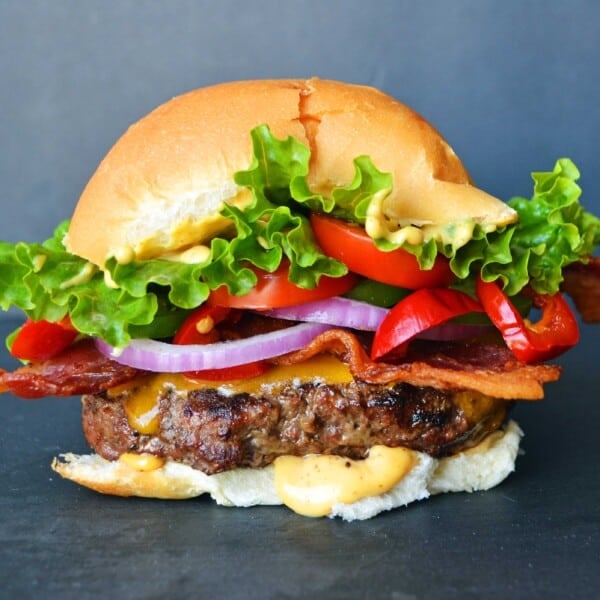
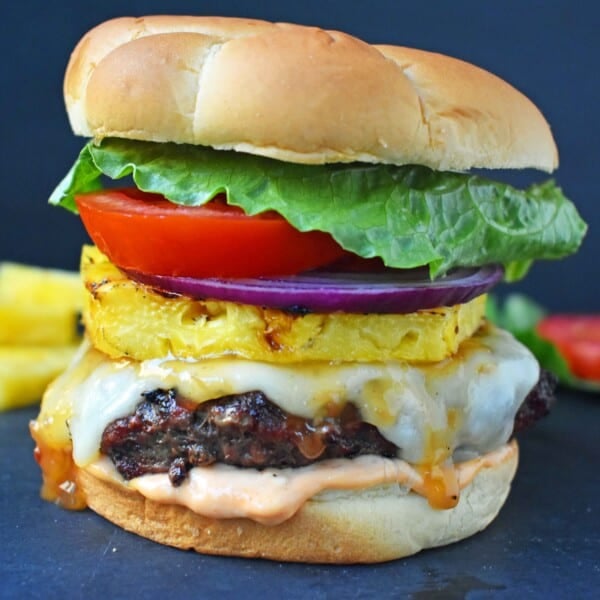
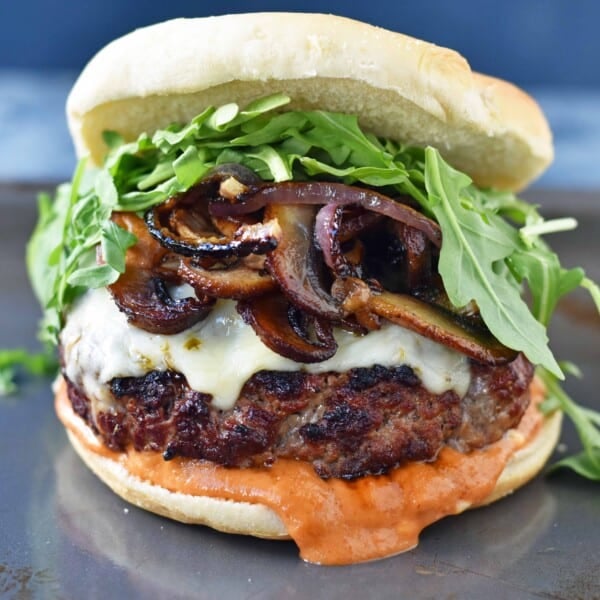
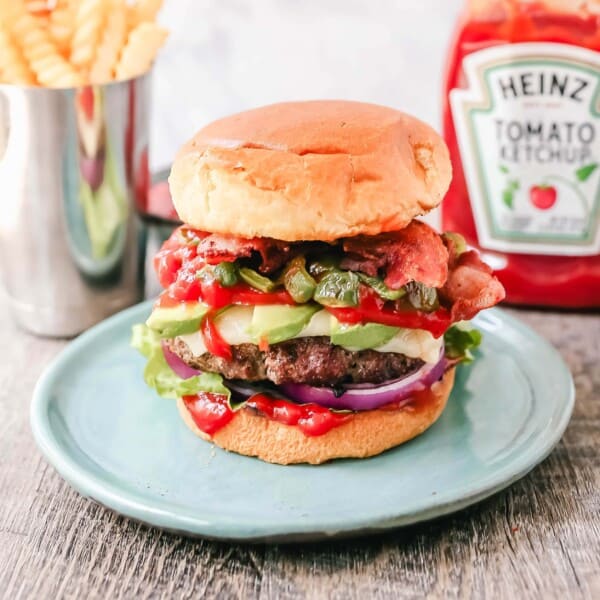
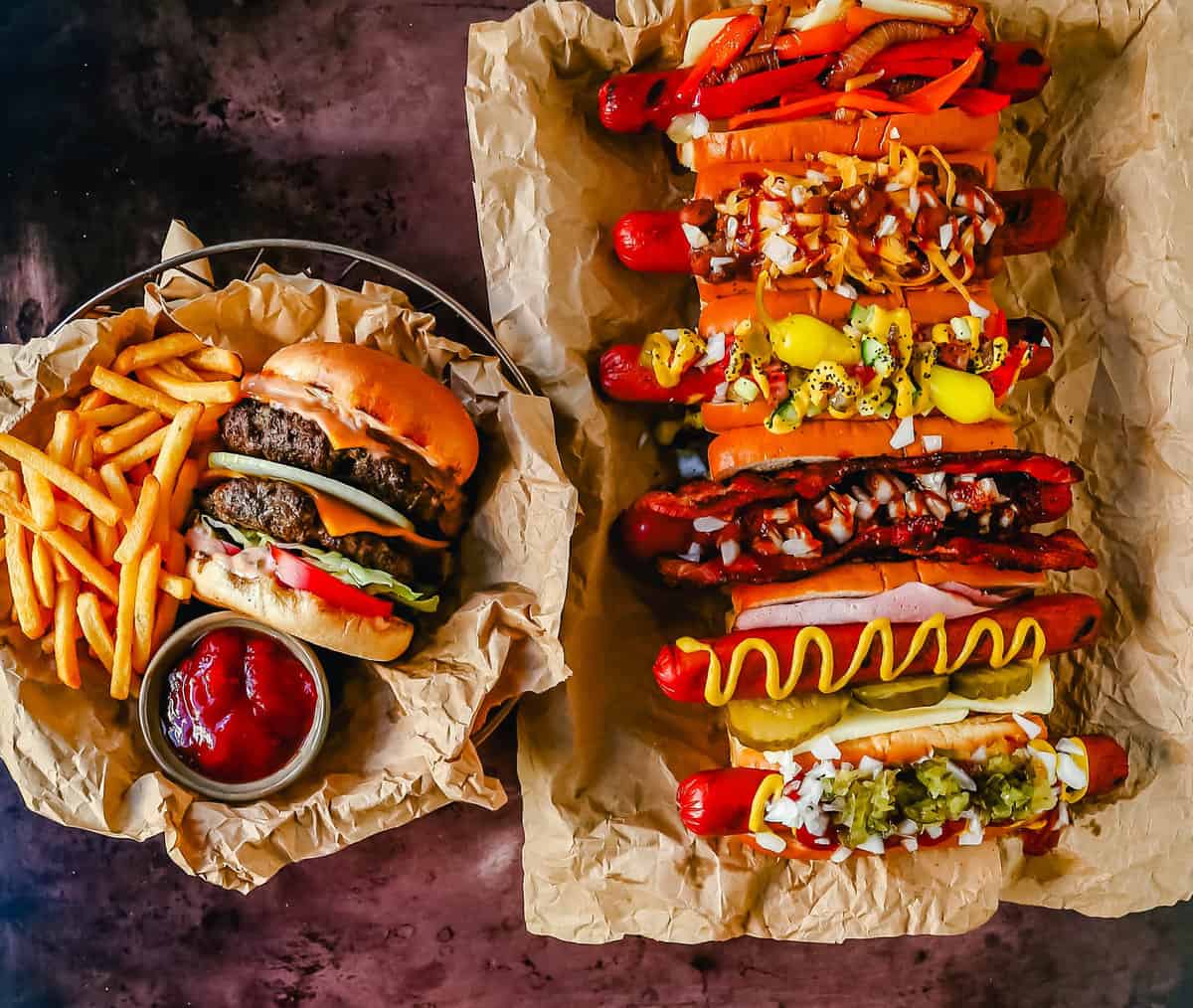
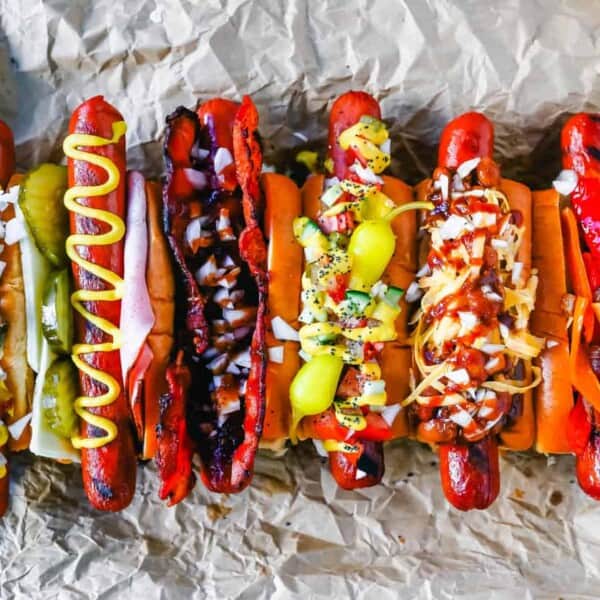
If you love hot dogs, check out my post on how to make gourmet hot dogs at home.
Pin this now to find it later
Pin It
Classic Cheeseburger Recipe
Ingredients
- 80/20 Ground Beef
- Salt
- Pepper
In-n-Out Burger Spread Recipe:
- 1/2 cup Mayonnaise
- 1/4 cup Ketchup
- 2 Tablespoons Sweet Pickle Relish
- 2 teaspoons Sugar
- 1 teaspoon White Vinegar
Cheeseburger Toppings:
- Medium Cheddar or American Cheese Slices
- Ripe Tomato Slices
- Iceberg or Green Leaf Lettuce
- Thinly Sliced Onion
- Hamburger Buns
Instructions
- Form ground beef into round patties. I suggest 1/3 to 1/2 lb. patties depending on how large you want your burgers to be. To ensure your grilled cheeseburgers have the perfect texture — DON'T OVERHANDLE the BEEF. Don't compress the beef too tight…as a looser patty retains juices better which means a juicier burger.
- Season well but don't salt and pepper the ground beef until the burger patties are formed. You want that coveted crust on the exterior of the burger and salt helps to create that. Sprinkle the salt on right before putting the beef on the grill.
- HEAT the GRILL on HIGH HEAT. You want the grill to be hot to maximize the crust formation on the burger and to brown the exterior.
- Temperature Guide:120 degrees F and below — RARE (red/raw in the center)130 degrees F — MEDIUM-RARE (pink and warm)140 degrees F — MEDIUM (totally pink, starting to dry out)150 degrees F — MEDIUM-WELL (grayish pink, much drier)160 degrees F and above — WELL-DONE (completely gray, very little moisture)
- When burgers are almost done cooking, add cheese and let melt for 1-2 minutes.
In-N-Out Burger Spread:
- In a medium-sized bowl, stir together mayonnaise, ketchup, sweet pickle relish, sugar, and white vinegar. Cover and refrigerate until ready to use.
- After burgers are done cooking, spread burger sauce all over both patties. Layer toppings in between patties and cheese. Serve hot.
Nutrition information is automatically calculated, so should only be used as an approximation.










We made the sauce for our burger and it was a perfect copycat for in-n-out spread. Thank you for the amazing recipe!
Amazing burger!!!
Yum! Such great tips!
The spread was to die for! Love this recipe, so helpful!