
This post may contain affiliate links. Please read our disclosure policy.
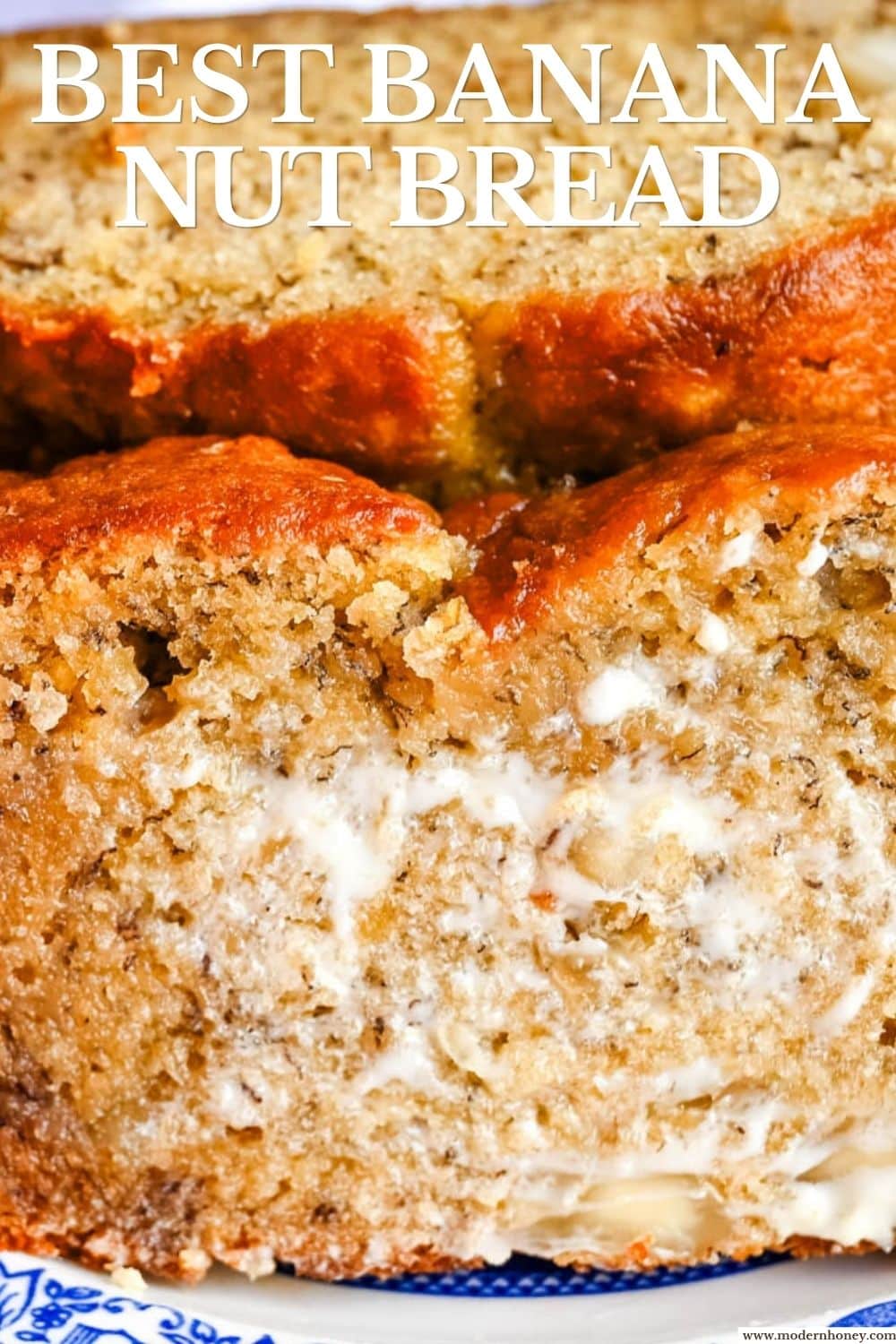
This is the moistest banana nut bread you’ll ever make — a rich, tender loaf made with ripe bananas, sour cream, and your choice of walnuts, pecans, or macadamia nuts. Includes tips for the ultimate moist crumb, a brown sugar topping, and answers to every banana bread question you have.
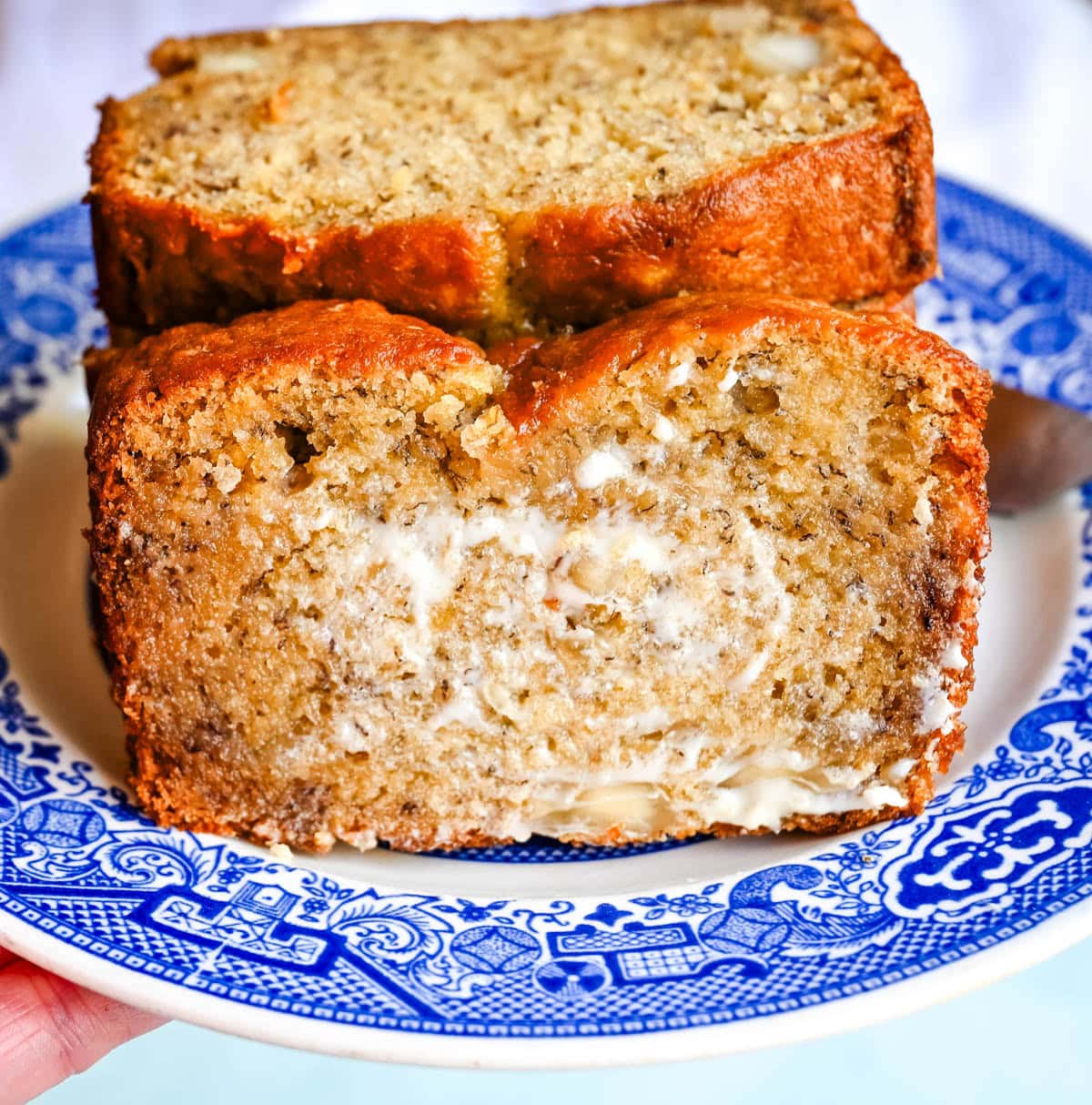
Do you have a bunch of ripe bananas sitting on your counter and you are wondering what to do with them? This is the story of my life. It seems as if I always seem to have some ripe bananas just perfectly ready for homemade banana nut bread, and I have the recipe for you!
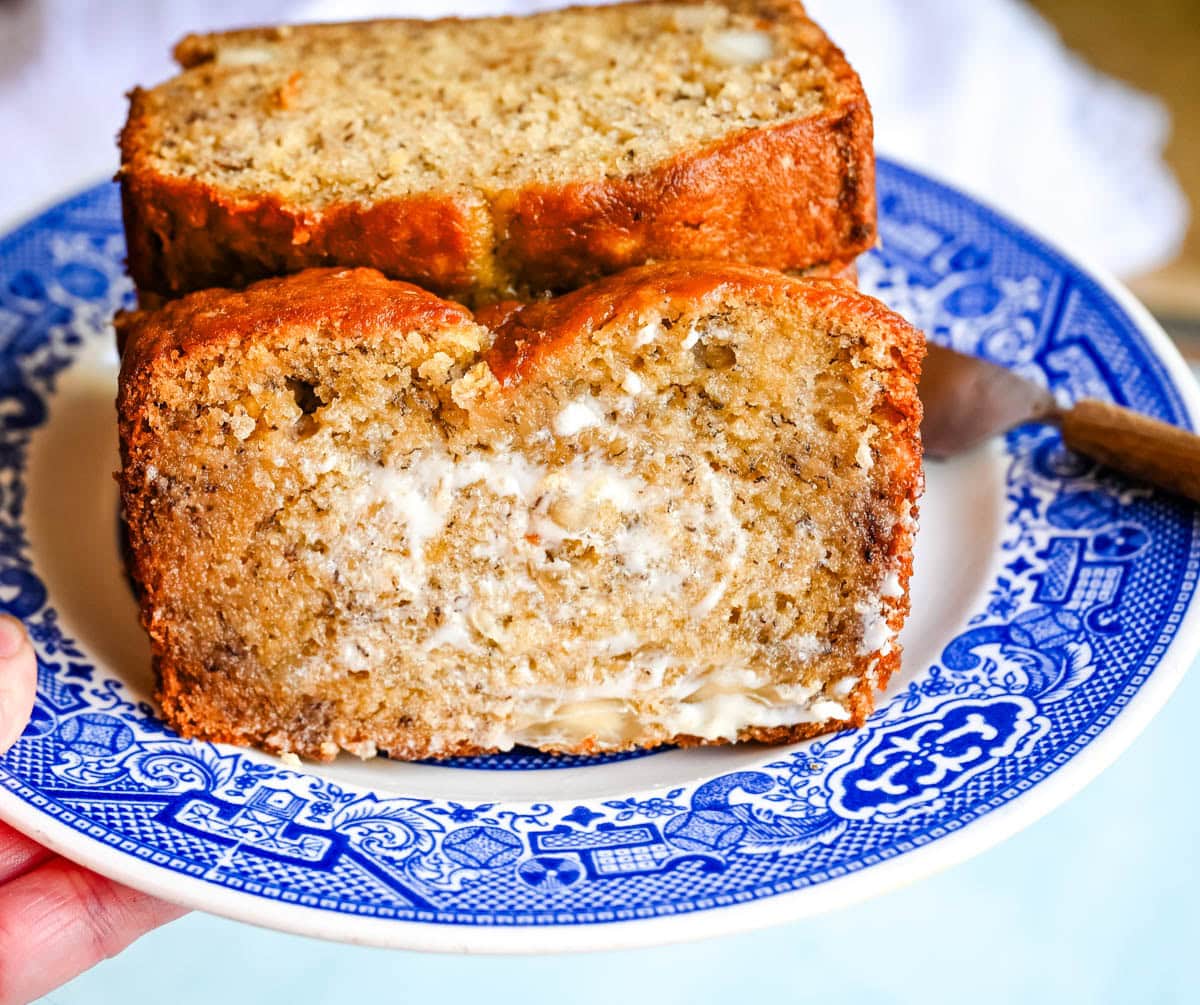
If you’ve been searching for the moistest, most flavorful banana nut bread out there, this is the recipe that ends the search. A rich batter built on ripe bananas, sour cream, and a combination of butter and oil creates a loaf that’s incredibly tender and moist, with deep banana flavor in every bite. Fold in your favorite nuts — walnuts, pecans, or macadamia — and top it all with a sprinkle of brown sugar before baking for a slightly crackly, caramelized crust that makes this loaf as good to look at as it is to eat.
What sets this banana nut bread apart is the combination of butter and oil in the batter. Butter brings rich, classic flavor, while oil keeps the crumb moist for days longer than an all-butter loaf typically stays fresh. Add in sour cream for extra tenderness and a subtle tang, and you get a loaf with a genuinely bakery-quality texture — soft, moist, and never dry or crumbly.
If you love this one, be sure to check out my other banana bread recipes too, including my best banana bread recipe, easy chocolate chip banana bread, double chocolate banana bread, and my Flour Bakery banana bread. There’s a banana bread for every craving.
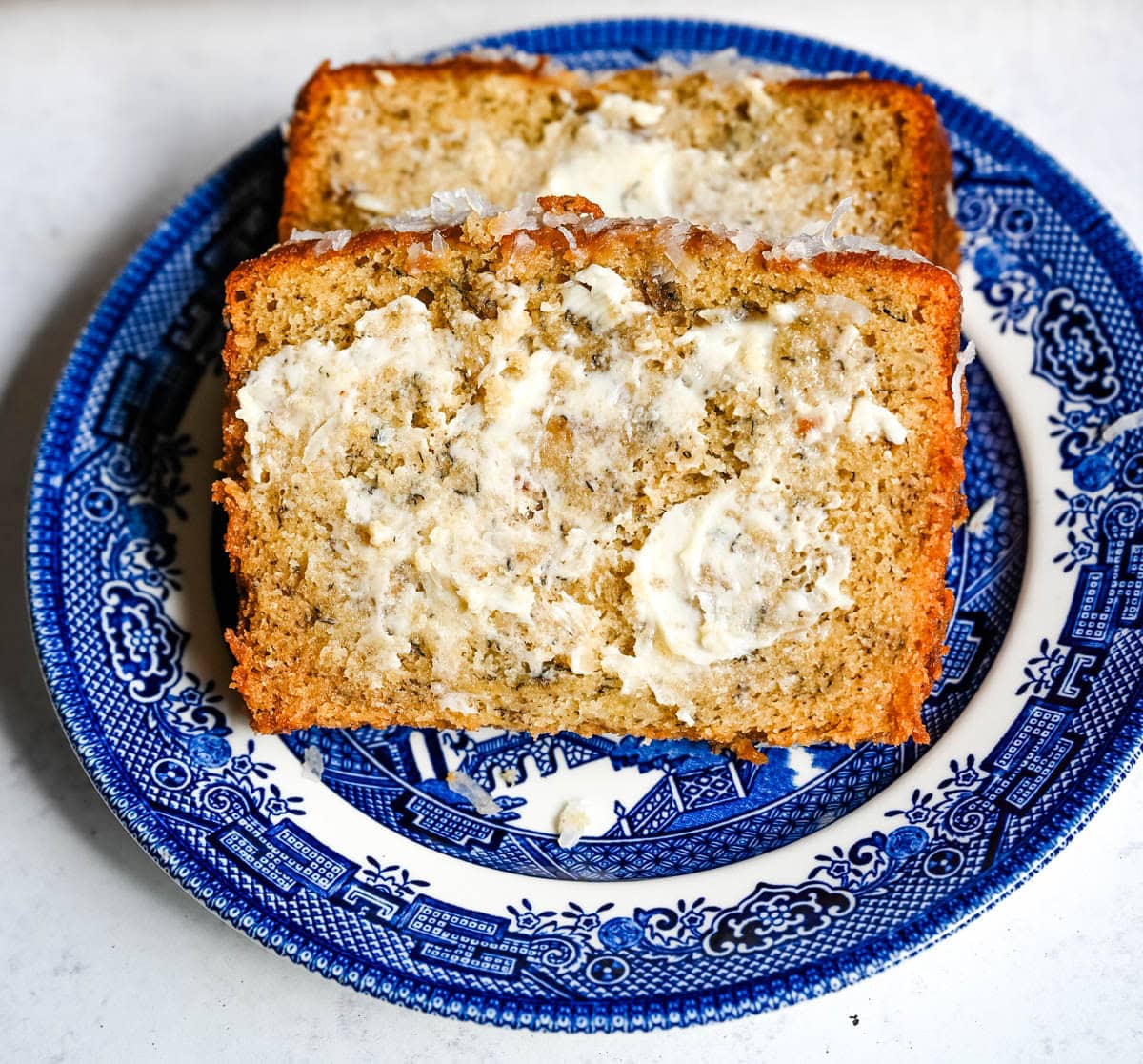
Ingredients:
This easy homemade banana nut bread recipe uses two types of fats — oil and butter. The oil keeps the banana bread super moist while the butter infuses flavor into the banana bread.
- Butter + Oil — Using both gives you the best of both worlds: butter brings rich flavor, while oil keeps the crumb extra moist and soft, even after refrigeration.
- Granulated & Brown Sugar — Granulated sugar sweetens, while brown sugar adds moisture and a deeper, caramel-like flavor thanks to its molasses content.
- Eggs — Use large eggs.
- Ripe Bananas — The star of the show. The riper and spottier the bananas, the sweeter and more flavorful your bread will be.
- Vanilla Extract — Use a high-quality vanilla. It rounds out the flavor and enhances the natural sweetness of the bananas.
- Sour Cream — Adds tang and extra moisture, making the crumb incredibly soft and tender.
- Flour — I use all-purpose flour in this recipe.
- Baking Soda — The leavening agent that helps the loaf rise and stay light rather than dense.
- Salt — Balances the sweetness and enhances every other flavor in the loaf.
- Walnuts, Pecans, or Macadamia Nuts — Add texture and a buttery crunch that contrasts beautifully with the soft crumb.
Which nut should you use in banana nut bread?
- Walnuts are the classic choice, with a slightly bitter, earthy flavor that pairs beautifully with sweet banana bread.
- Pecans are sweeter and softer than walnuts, giving the bread a more mellow, buttery crunch.
- Macadamia nuts are the most indulgent option, with a rich, buttery flavor and softer bite — a great choice if you want something a little more special.
Feel free to toast your nuts lightly before folding them in for even more depth of flavor.
How to tell when ripe bananas are ready?
The riper your bananas, the better this bread will taste — you’re looking for bananas that are heavily speckled with brown spots, or even mostly brown, not just yellow.
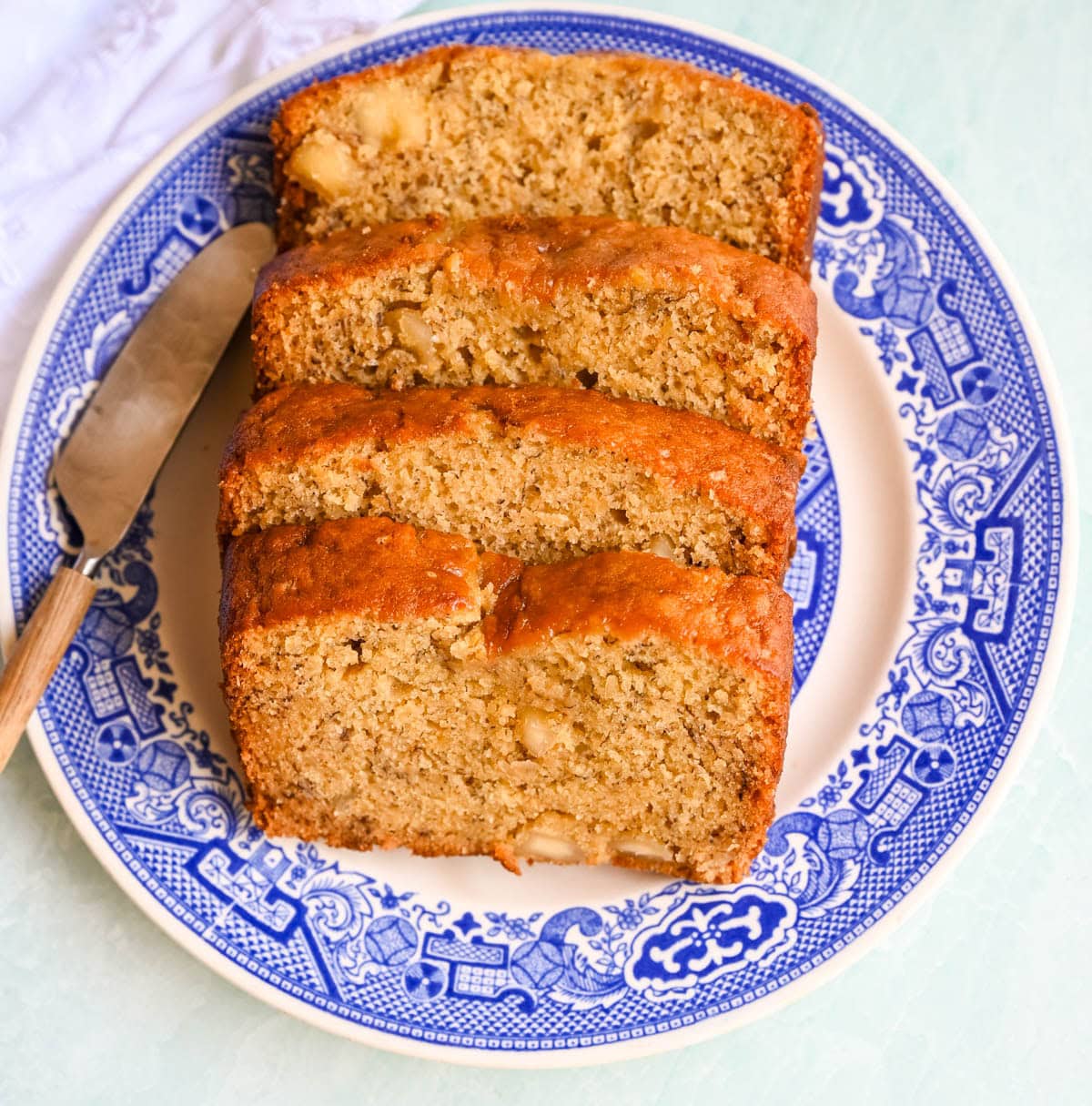
Why this is the moistest Banana Nut Bread:
A few key details in this recipe work together to guarantee a moist, tender crumb every time:
- Very ripe bananas. The riper (more heavily spotted, even mostly brown) your bananas are, the sweeter, more flavorful, and more moisture-rich they’ll be. Underripe bananas are starchy and can leave your loaf dry and bland.
- Butter and oil, together. Butter alone can dry out over a day or two, while oil helps the loaf stay moist for much longer. Using both gives you rich flavor and lasting moisture.
- Sour cream. This adds fat and a bit of acidity, both of which contribute to a more tender, moist crumb than a batter made with milk alone.
- Careful mixing. Overmixed batter develops more gluten, leading to a tougher, denser loaf. Mixing just until the flour disappears keeps this bread soft and tender.
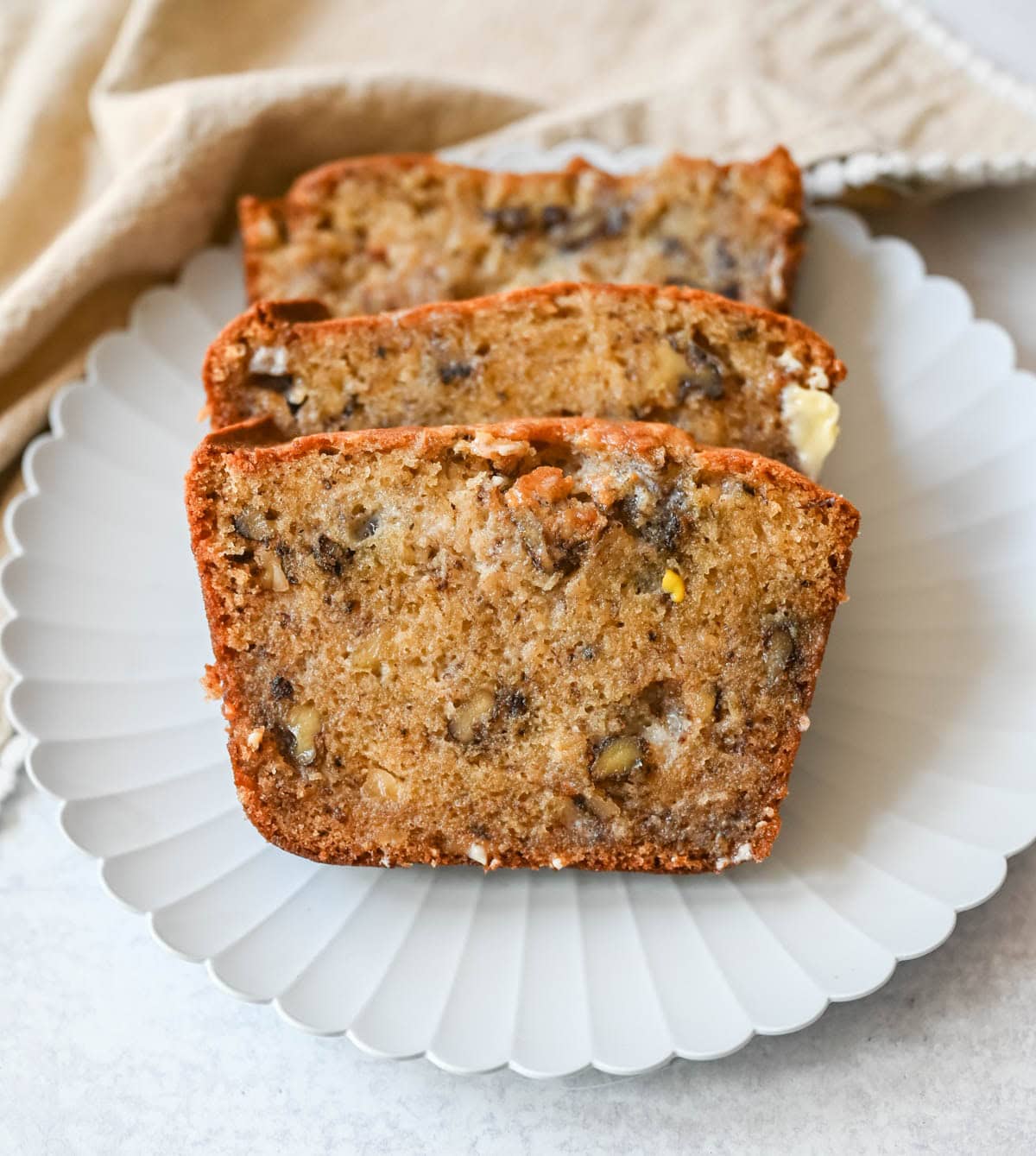
How to Make Banana Nut Bread
- Preheat the oven and prep the pan. Preheat your oven to 350°F. Grease or line a 9×5-inch loaf pan with parchment paper, or spray with non-stick cooking spray.
- Mash the bananas. In a bowl, mash the ripe bananas until mostly smooth.
- Cream the butter, oil, and sugars. In a mixing bowl, cream the softened butter, oil, brown sugar, and sugar together for 3–4 minutes, scraping down the sides of the bowl halfway through for even mixing.
- Add the eggs. Add the eggs one at a time, mixing well after each addition.
- Add the remaining wet ingredients. Add the mashed bananas, sour cream, and vanilla extract, mixing until combined.
- Mix the dry ingredients. In a separate bowl, whisk together the flour, baking soda, and salt.
- Combine. Stir the dry ingredients into the wet mixture until just combined. Be careful not to overmix — a few small streaks of flour disappearing is exactly what you want. For extra warmth, you can stir in 1 teaspoon of cinnamon at this point.
- Fold in the nuts. Gently fold in the walnuts, pecans, or macadamia nuts.
- Bake. Pour the batter into the prepared loaf pan. Sprinkle the top with the 3 tablespoons of brown sugar. Bake for 50–60 minutes, or until a toothpick inserted into the center comes out clean or with a few moist crumbs, not raw batter. Tent a piece of foil loosely over the pan about halfway through baking to prevent the top from over-browning before the center is fully baked.
- Cool and slice. Let the bread cool in the pan for 10–15 minutes before transferring it to a wire rack. Run a knife along the sides of the pan to help loosen the loaf before removing it.
Tips for the Best Banana Nut Bread:
- Use very ripe bananas. The more brown spots (or even fully brown peels), the better — this is the single biggest factor in flavor and moisture.
- Don’t skip the creaming step. Creaming the butter, oil, and sugars for a full 3–4 minutes helps build a lighter, more tender crumb.
- Don’t overmix once the flour is added. Stir just until the dry ingredients disappear into the batter. Overmixing develops gluten and leads to a denser, tougher loaf.
- Tent with foil to prevent over-browning. Since this loaf bakes for close to an hour, the top can brown too much before the center finishes cooking. A loose piece of foil, added halfway through, solves this.
- Check doneness with a toothpick, not just time. Ovens vary, so start checking a few minutes before the recipe’s minimum bake time. A toothpick should come out clean or with a few moist crumbs, never wet batter.
- Let it cool before slicing. Cutting into the loaf too soon can cause it to crumble, since it’s still setting as it cools.
For more ways to use up ripe bananas, don’t miss my Best Classic Banana Bread and everyone’s favorite decadent Chocolate Chip Banana Bread.
Frequently Asked Questions:
Why did my banana bread sink in the middle?
This is usually caused by overmixing the batter, opening the oven door too early, or underbaking. Make sure to bake until a toothpick comes out clean and avoid opening the oven during the first 40 minutes.
How do I know when my banana bread is done?
A toothpick inserted into the center should come out clean or with a few moist crumbs, not wet batter. If the top is browning too quickly before the center is done, tent it loosely with foil and continue baking.
Can I use frozen bananas instead of fresh?
I haven’t recipe tested this yet with this recipe. If you would like to try it, I suggest to thaw frozen bananas completely, drain any excess liquid, and mash as usual. They actually make the bread even more moist.
Do I have to use nuts?
Not at all! You can leave them out entirely or swap them for chocolate chips if you prefer a nut-free version.
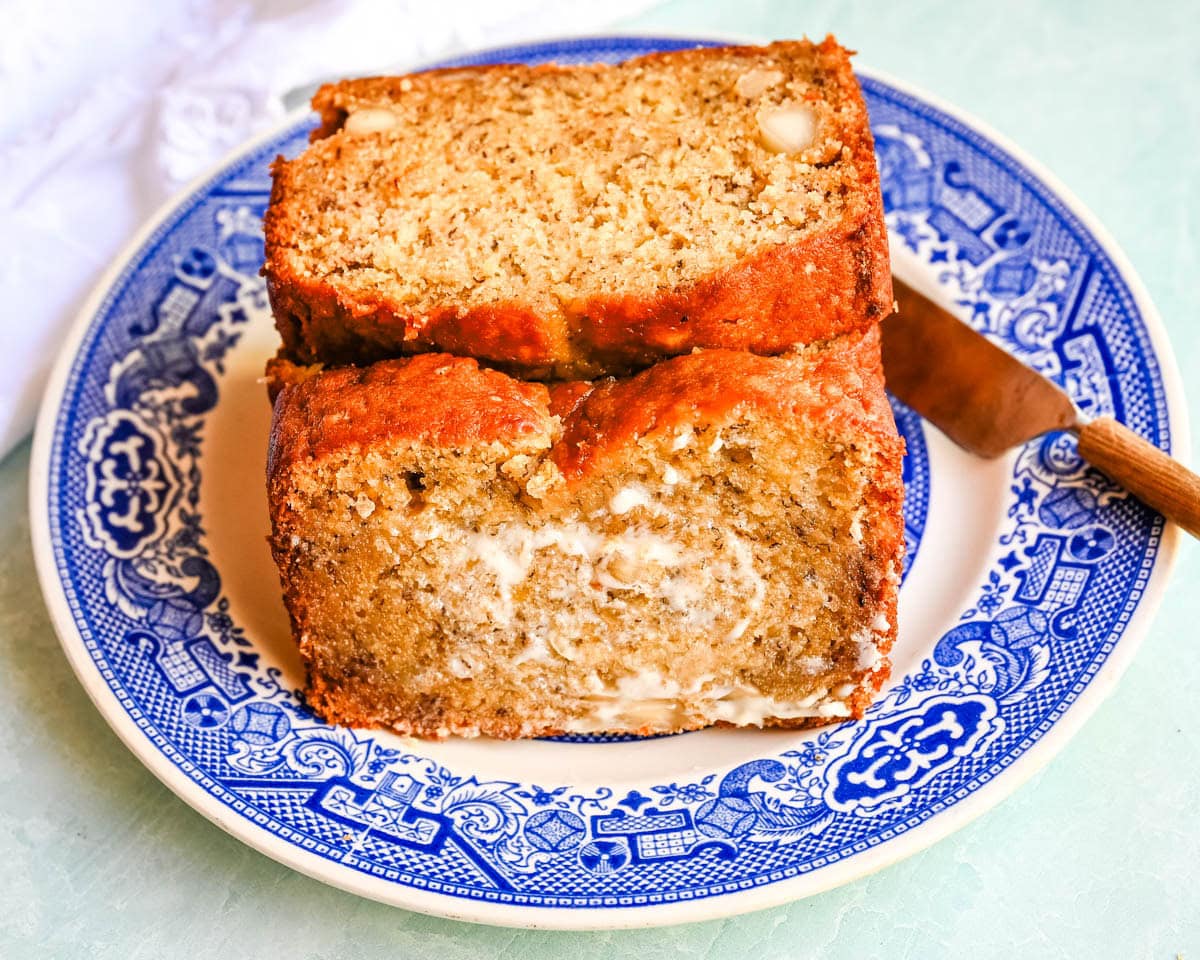
What is the secret to moist banana bread?
1. Use very ripe (even overripe) bananas. The riper the banana — heavily spotted or even black — the more natural sugar and moisture it has, which translates directly into a softer, more flavorful loaf.
2. Use both butter and oil. Butter alone can make bread dry out faster once cooled because it solidifies at room temperature. Oil stays liquid, which keeps the crumb soft for days. Using a combination gives you rich flavor and lasting moisture.
3. Add a dairy element like sour cream or yogurt. These add fat, which tenderizes the gluten in the flour and adds extra moisture that plain milk doesn’t provide.
4. Don’t overmix the batter. Overmixing develops gluten, which makes bread tough and dense instead of soft and tender. Stir the dry ingredients in just until the flour disappears — a few lumps are fine.
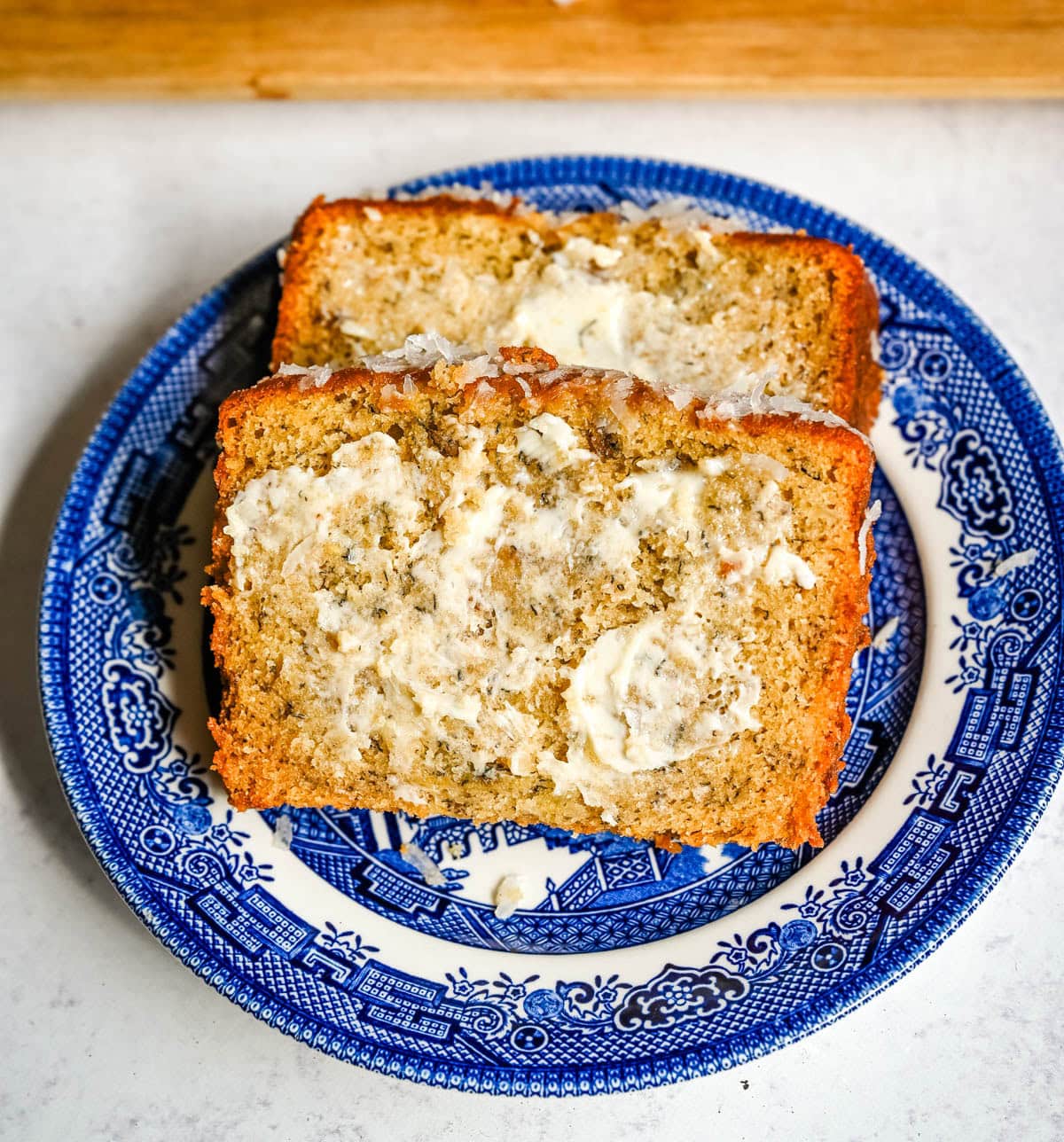
Banana Bread Variations:
Nuts: Walnuts (the classic choice),Pecans, or Macadamia nuts
Chocolate: Mini chocolate chips (semi-sweet, dark, or milk), Chopped chocolate chunks, Nutella swirl
Texture: Shredded sweetened coconut or brown sugar streusel
Storage Tips:
Store banana nut bread at room temperature, tightly wrapped or in an airtight container, for up to 3 days.
For longer storage, refrigerate for up to 5 days — just bring it to room temperature or warm slightly before serving for the best texture.
To freeze, wrap the cooled loaf (whole or sliced) tightly in plastic wrap and foil, and store in the freezer for up to 3 months.
Banana Bread Recipes:
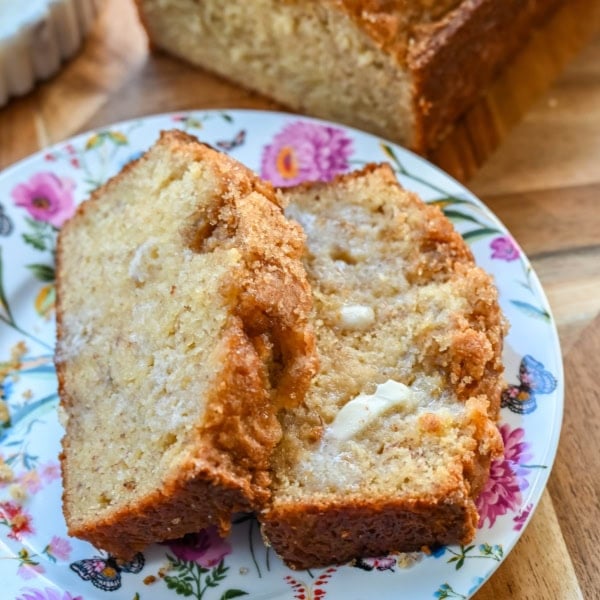
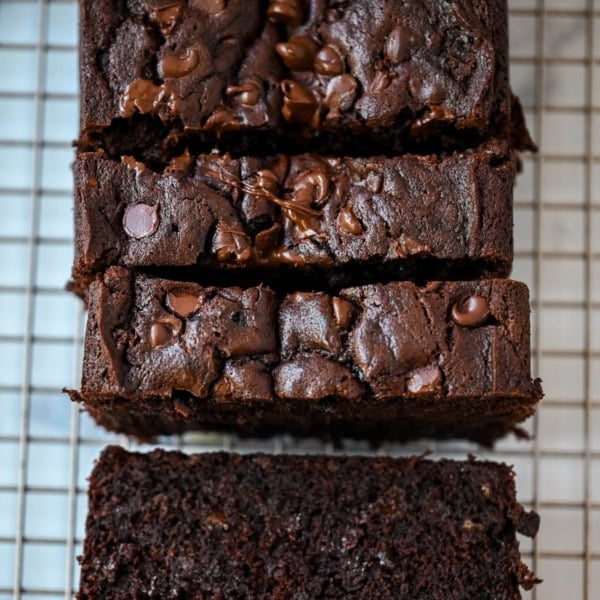
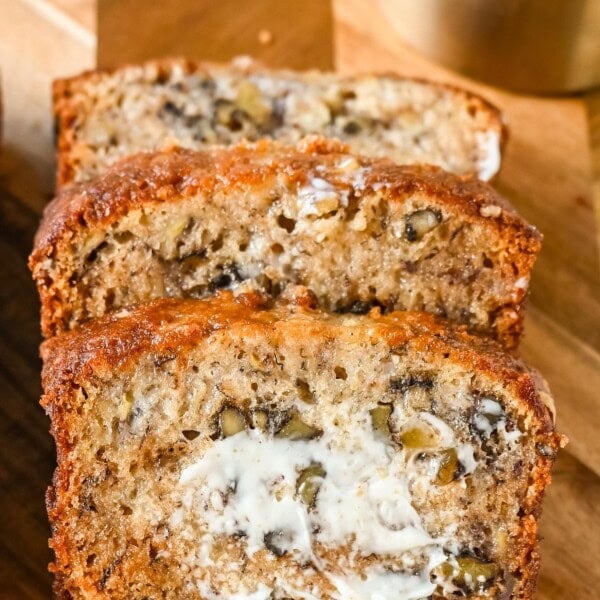
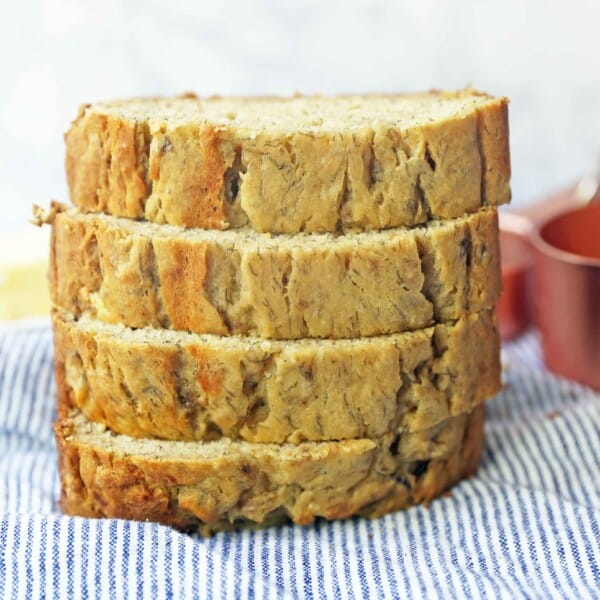
What to make with ripe bananas?
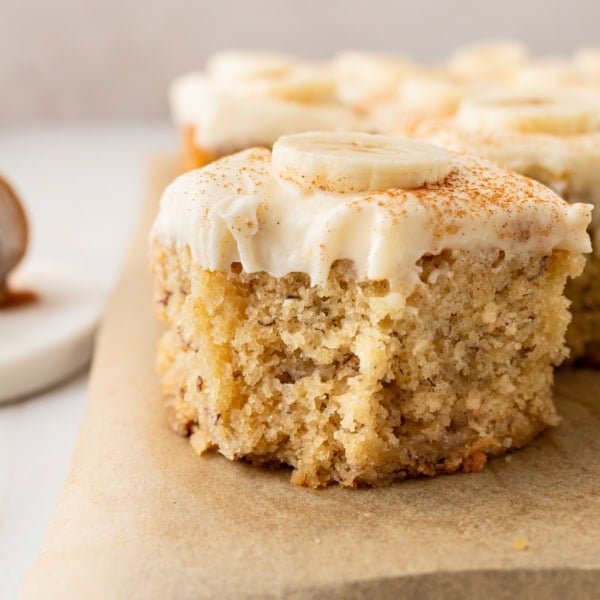
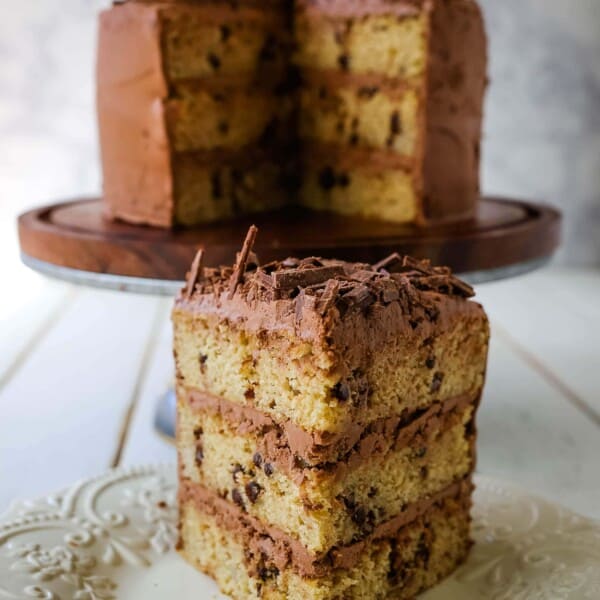
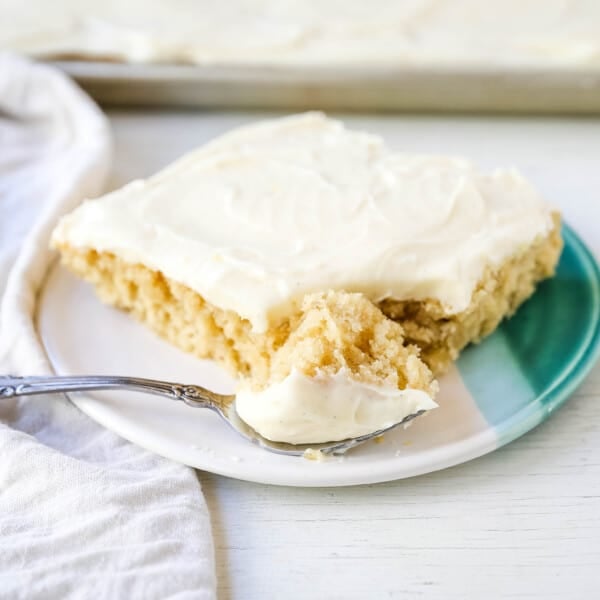
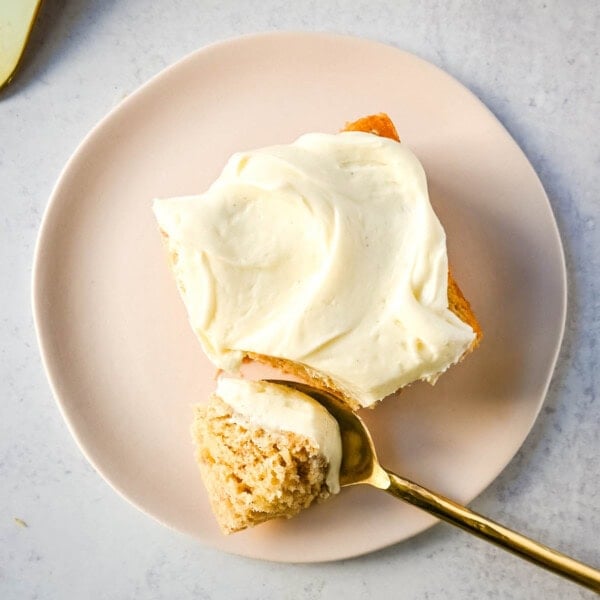
Do you have some ripe bananas on your counter and want to know what to make? I have many banana bread recipes plus banana cake and banana bars…
Pin this now to find it later
Pin It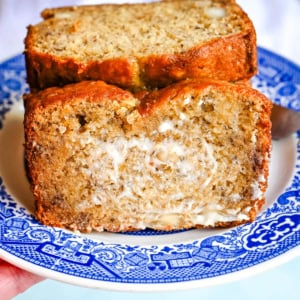
Best Banana Bread Recipe
Ingredients
- 4 Tablespoons Butter (softened)
- 1/4 cup Oil (canola or neutral oil)
- 1 cup Sugar
- 1/3 cup Brown Sugar (plus more for topping)
- 2 large Eggs
- 2 large Ripe Bananas (mashed)
- 2 teaspoons Vanilla Extract
- 3/4 cup Sour Cream
- 1 3/4 cups Flour
- 1 teaspoon Baking Soda
- 1/2 teaspoon Salt
- 1 to 1 1/2 cups Walnuts, Pecans, or Macadamia Nuts
Instructions
- Preheat your oven to 350°F. Grease or line a 9×5-inch loaf pan with parchment paper, or spray with non-stick cooking spray.
- Mash the bananas. In a bowl, mash the ripe bananas until mostly smooth.
- Cream the butter, oil, and sugars. In a mixing bowl, cream the softened butter, oil, brown sugar, and sugar together for 3–4 minutes, scraping down the sides of the bowl halfway through for even mixing.
- Add the eggs one at a time, mixing well after each addition. Add the mashed bananas, sour cream, and vanilla extract, mixing until combined.
- Add the flour, baking soda, and salt. Stir the dry ingredients into the wet mixture until just combined. Be careful not to overmix — a few small streaks of flour disappearing is exactly what you want. For extra warmth, you can stir in 1 teaspoon of cinnamon at this point.
- Gently fold in the walnuts, pecans, or macadamia nuts.
- Pour the batter into the prepared loaf pan. Optional: sprinkle the top with 3 tablespoons of brown sugar. Bake for 50–60 minutes, or until a toothpick inserted into the center comes out clean or with a few moist crumbs, not raw batter. Tent a piece of foil loosely over the pan about halfway through baking to prevent the top from over-browning before the center is fully baked.
- Let the bread cool in the pan for 10–15 minutes before transferring it to a wire rack. Run a knife along the sides of the pan to help loosen the loaf before removing it. Serve slices with butter.
Notes
- Use very ripe bananas. The more brown spots (or even fully brown peels), the better — this is the single biggest factor in flavor and moisture.
- Tent with foil to prevent over-browning. Since this loaf bakes for close to an hour, the top can brown too much before the center finishes cooking. A loose piece of foil, added halfway through, solves this.
- Check doneness with a toothpick, not just time. Ovens vary, so start checking a few minutes before the recipe’s minimum bake time. A toothpick should come out clean or with a few moist crumbs, never wet batter.
- Let it cool before slicing. Cutting into the loaf too soon can cause it to crumble, since it’s still setting as it cools.
Nutrition
Nutrition information is automatically calculated, so should only be used as an approximation.










Yum!! Such a great banana bread. Super moist! Took it to some neighbors and they all raved about it!
Wow so moist and delicious!! Made for my kids and it was devoured!
This looks so good! Can I double the recipe to make two loaves? Or, is it best to make one at a time? Thank you.
Hi Judy! You can definitely double this recipe. I hope you love it!
Thanks, Melissa. I do love it! I’ve been trying several different Banana Bread recipes recently, looking for the best version and it seems I have just found it. I only had 2 bananas, so I made a loaf this morning. It is fantastic!! I liked using both, butter and oil. I added walnuts to the bread and with the brown sugar sprinkled on top, it was so good!! Will be making many more loaves, knowing I can double this recipe without any issues!