This post may contain affiliate links. Please read our disclosure policy.
This easy pie crust is flaky, buttery, and made with just 6 ingredients. Make this all-butter pie dough in a food processor or by hand in minutes. The best buttery easy pie crust recipe!
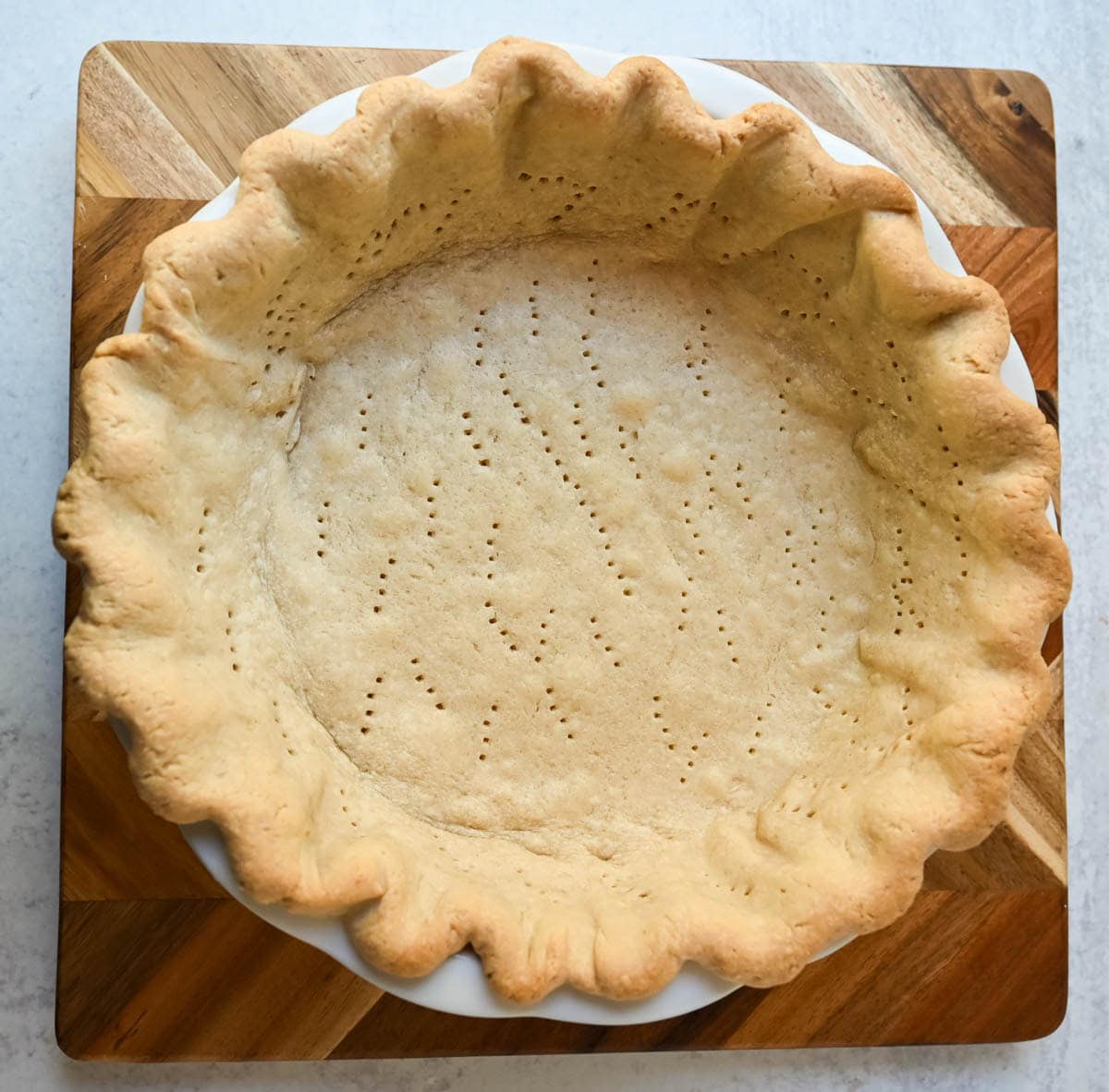
When I was younger, I used to think homemade pie crust was something only grandmas and pastry chefs could pull off. Then I learned a few simple tricks, and now this easy pie crust is the one I use for every single pie I make…because a food process makes it so much easier! But, don’t worry if you don’t own a food processor, you can also make it in a bowl. It’s flaky, buttery, and comes together in minutes in my food processor. No fancy techniques, no stress, just a beautiful crust that tastes so much better than anything from the store.
I have tried many frozen or fresh pie crusts as they just don’t taste good. Many of them have a weird taste to them or zero flavor at all. I just got home from France and packed a suitcase filled with French butter to bring home. It makes the flakiest pie crust! But, you don’t need to use French butter in this pie crust recipe. I have used anything from generic, inexpensive butter to a more expensive butter and they all work!
This easy pie crust is flaky, buttery, and made with just 6 simple ingredients. You can make this all-butter pie dough in a food processor in about 5 minutes or by hand in a bowl. A splash of vinegar keeps it tender and easy to roll out, and the recipe makes enough for a double-crust pie or two single crusts. Once you make homemade pie crust, you’ll never go back to store-bought.
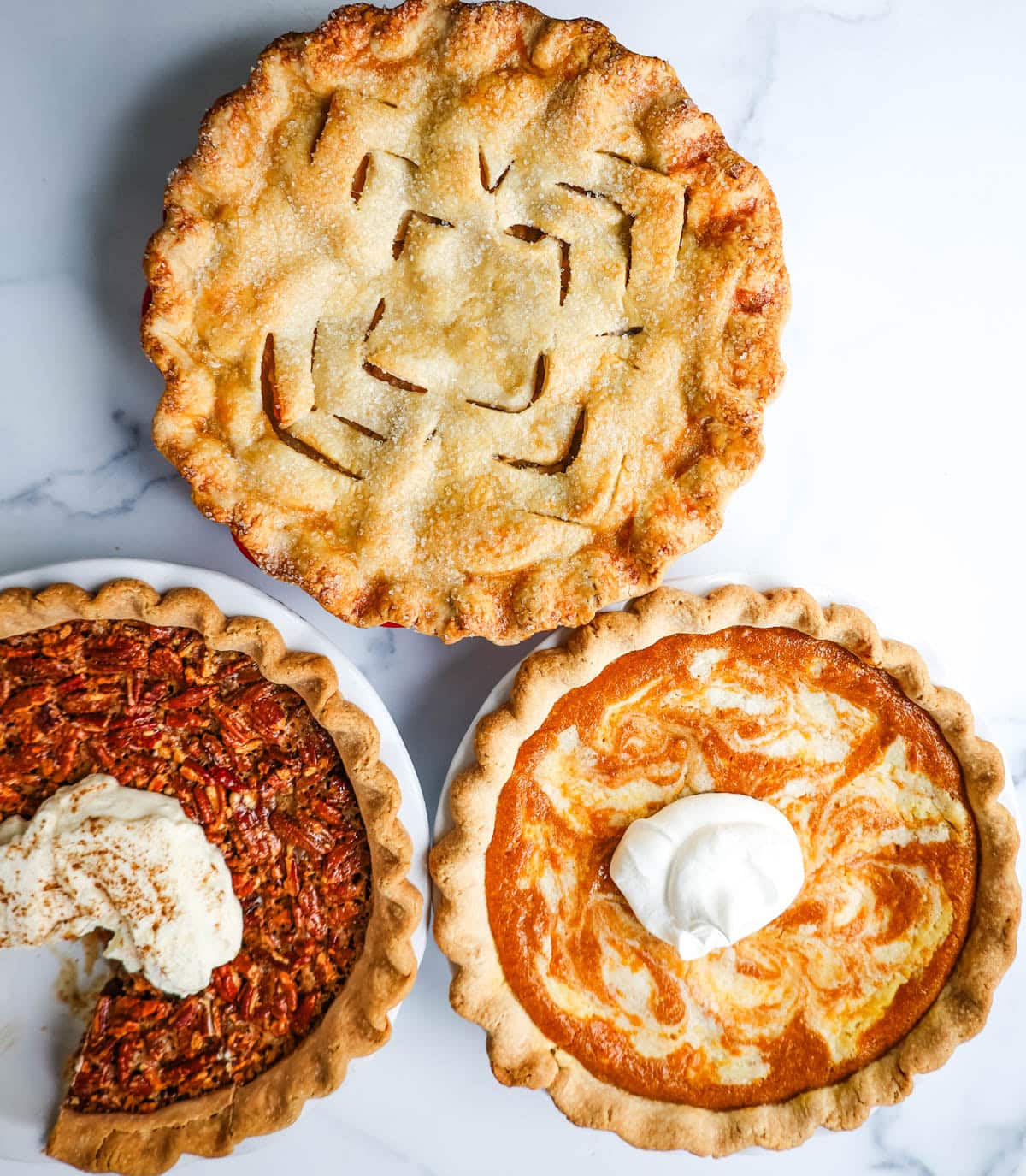
If you’ve never made pie crust from scratch, or you’ve tried before and it didn’t turn out the way you hoped, I promise you can do this. I’ve made more pie crusts than I can count, taught pie-making in my cooking classes, and learned every trick along the way. I’m sharing all of it here so you can skip the guesswork and get a flaky, buttery, beautiful crust on your very first try.
In this post, I’ll walk you through:
- The 6 simple ingredients and why each one matters
- Why cold butter is the secret to flaky layers, and how to keep it cold
- How to make pie crust in a food processor in about 5 minutes
- How to make pie crust by hand with just a bowl and a pastry blender
- How to roll it out without cracking and transfer it to the pie plate
- Easy ways to crimp the edges for a pretty, bakery-style crust
- How to bake pie crust for single-crust and double-crust pies
- How to blind bake pie crust, including whether to chill or freeze it and what to use for pie weights
- Troubleshooting tips for crumbly dough, shrinking crusts, and soggy bottoms
- How to make pie dough ahead and freeze it so you’re always ready for pie season
By the end, you’ll have a go-to pie crust recipe you can use for every pie, from apple and cherry to pumpkin and cream pies. Let’s make the best pie crust together!
Why You’ll Love This Easy Pie Crust
- Just 6 ingredients. Flour, sugar, salt, butter, water, and vinegar.
- Ready in 5 minutes. The food processor does the work, or make it by hand in a bowl.
- Flaky and buttery. All-butter pie crust has the best flavor.
- Tender, not tough. A teaspoon of vinegar keeps the dough tender and easy to roll.
- Makes 2 crusts. Perfect for a double-crust pie or two single-crust pies.
- Make ahead and freeze. Keep a disk in the freezer for pie emergencies.
Prefer to make it by hand? Try my All Butter Pie Crust Recipe.
Ingredients for Food Processor Easy Pie Crust
- All-purpose flour: Gives the crust structure. Spoon and level it so you don’t add too much.
- Sugar: Just 1 teaspoon adds a hint of flavor and helps the crust brown beautifully. It works for both sweet and savory pies.
- Salt: Brings out the buttery flavor.
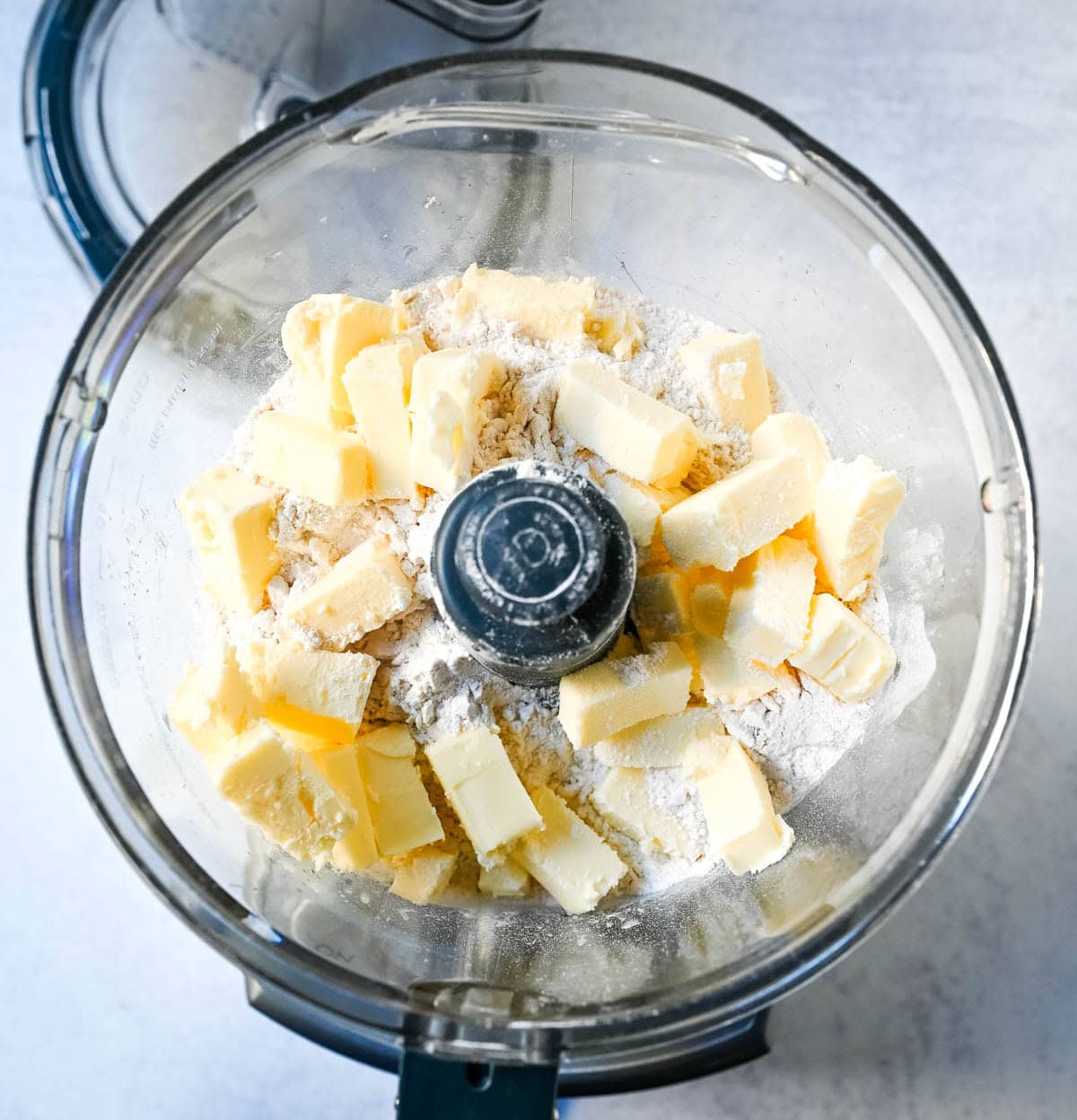
- Cold butter: The key to a flaky pie crust. Cut it into cubes straight from the fridge. As the little pieces of butter melt in the oven, they release steam and create flaky layers.
- Ice cold water: Brings the dough together. Keeping it ice cold keeps the butter from melting.
- White vinegar: My secret to a tender crust. A little acid keeps the dough from getting tough and makes it easier to roll out. You won’t taste it at all.
Why Cold Butter is So Important
- It creates flaky layers. When you cut cold butter into flour, it stays in small, separate pieces coated in flour instead of blending in. When the crust hits the hot oven, the water in those butter pieces turns to steam and puffs the dough apart, creating pockets of flaky layers.
- Warm butter makes a tough, greasy crust. If the butter softens, it blends into the flour like a paste. You lose the flaky pockets, and the crust bakes up dense, crumbly, or greasy.
- It keeps the dough easy to handle. Cold dough is less sticky, rolls out more easily, and holds its shape when you crimp it.
- It helps the crust keep its shape. Cold butter melts more slowly in the oven, so the edges have time to set before they slump.
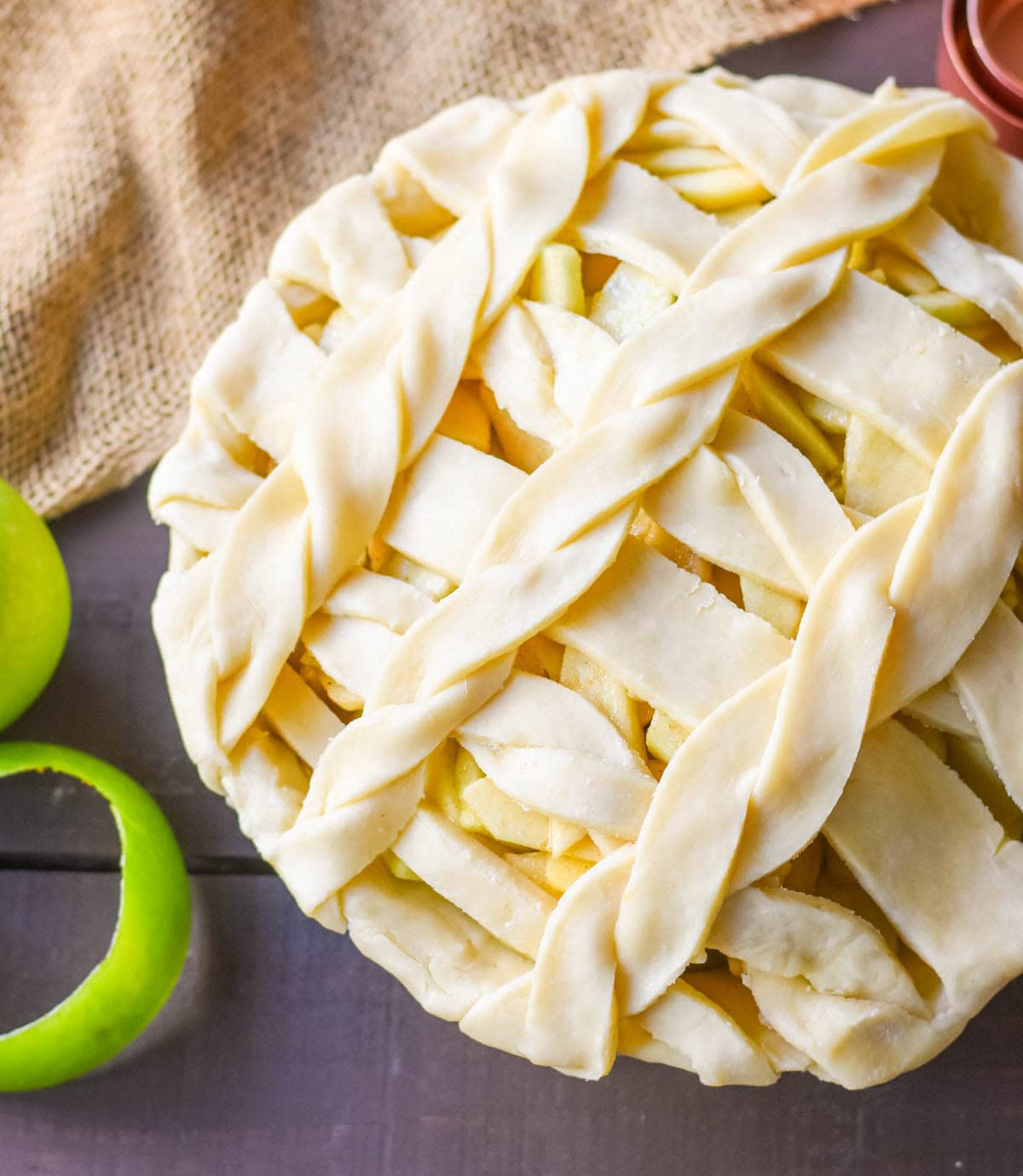
Secrets to a Flaky Food Processor Pie Crust
- Keep everything cold. Cold butter, ice water, and a quick mix are what make flaky layers.
- Leave visible butter pieces. You want pea-sized pieces of butter in the dough. Those become the flaky pockets.
- Add water slowly. Use just enough so the dough holds together when you squeeze it. Too much water makes a tough crust.
- Don’t overwork the dough. Mix just until it comes together.
- Chill before rolling. Resting the dough relaxes the gluten so it doesn’t shrink in the oven.
Why Make Pie Crust in a Food Processor?
- It’s fast. The dough comes together in about 5 minutes.
- It keeps the butter cold. Your warm hands never touch the butter, which is the key to flaky layers.
- It’s nearly foolproof. A few quick pulses get the butter to the perfect pea-sized pieces.
- Less mess. Everything stays in one bowl.
- Perfect for beginners. If you’ve been nervous to make pie crust, this is the easiest way to start.
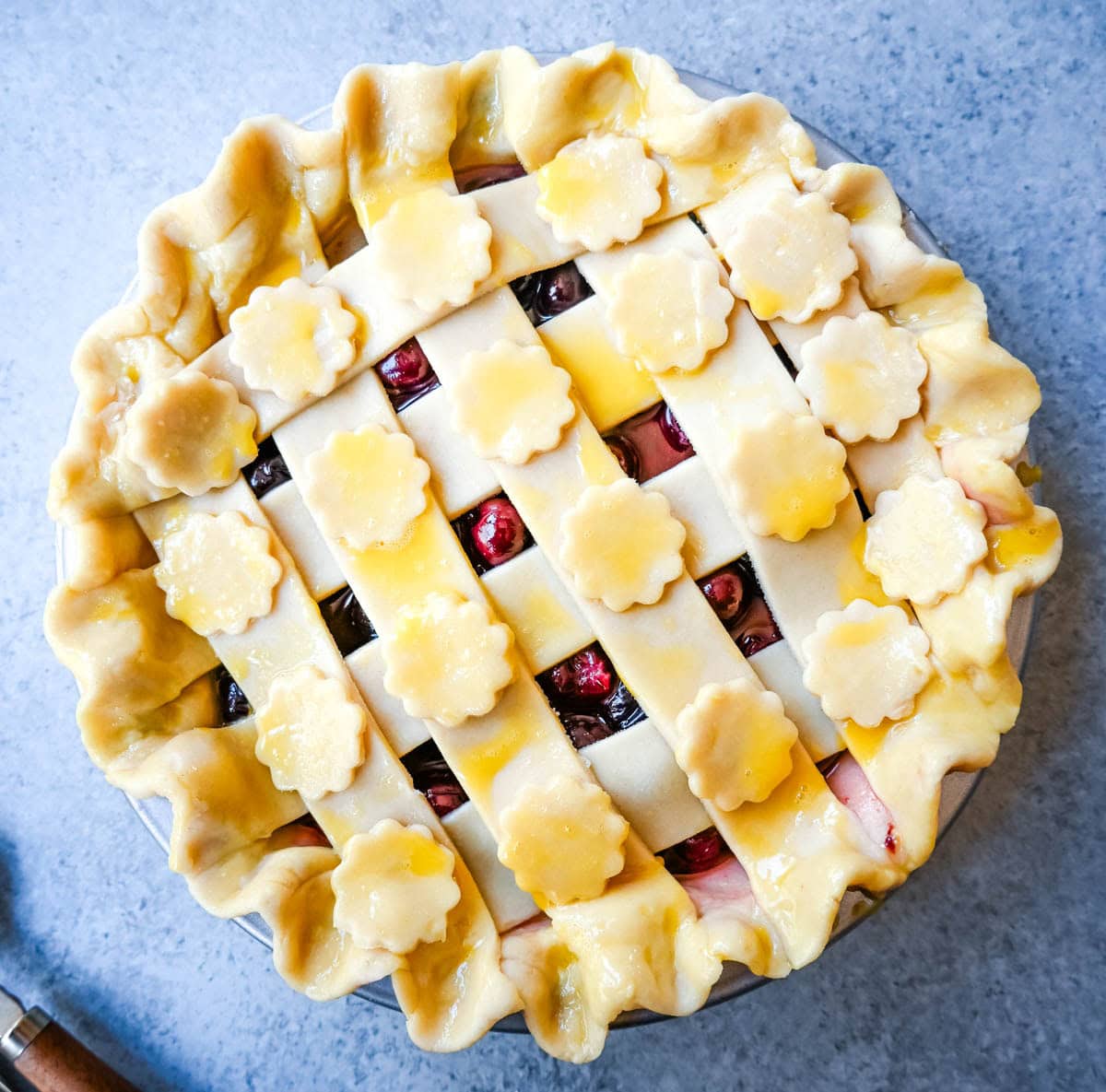
How to Make Food Processor Pie Crust
- Pulse the dry ingredients. Add the flour, sugar, and salt to the food processor and pulse a few times to combine.
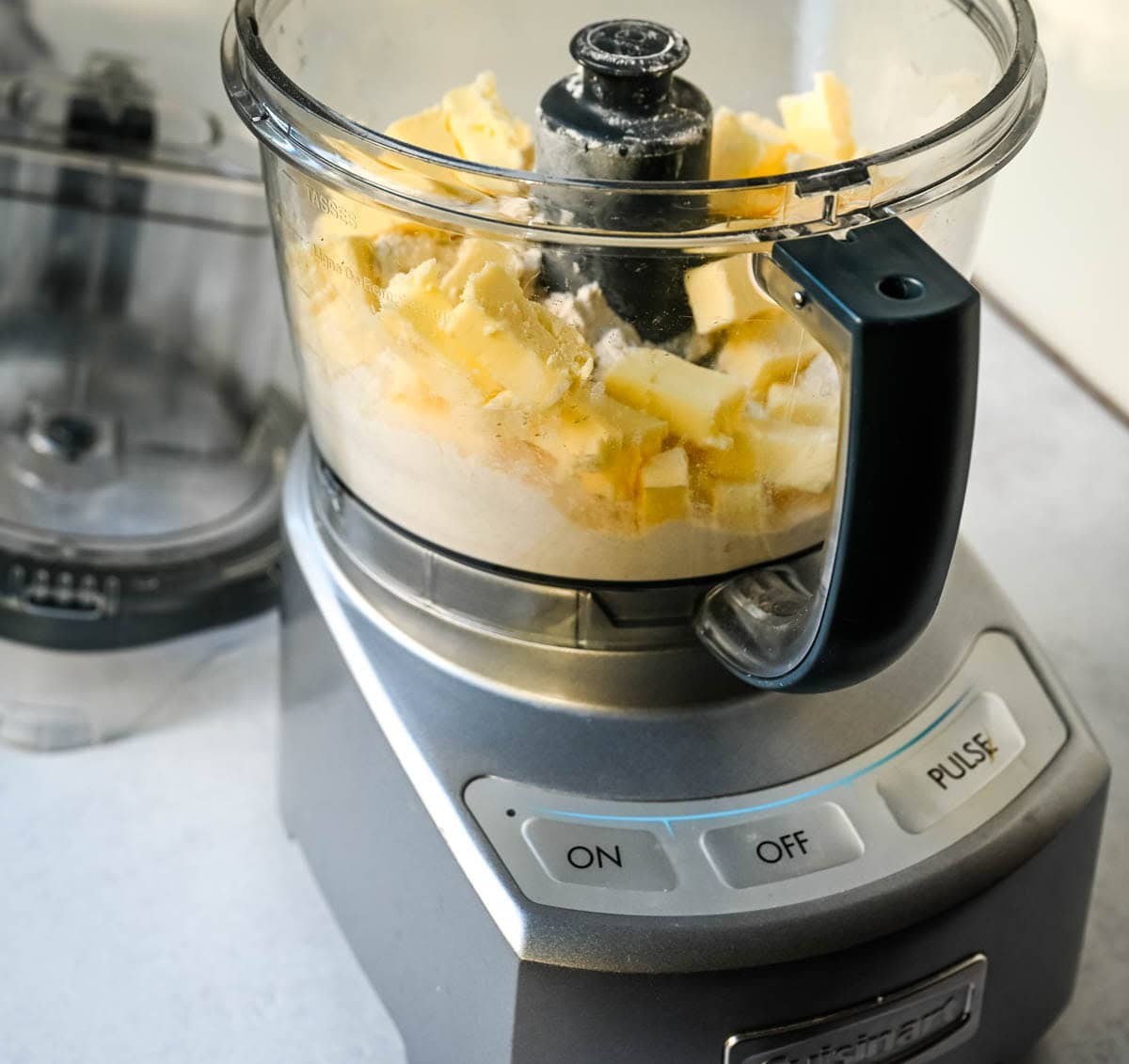
- Add the butter. Scatter the cold butter cubes over the flour. Pulse 8 to 10 times, until the butter is the size of small peas.
- Add the water. With the processor running, slowly drizzle in ⅓ cup of the ice water and vinegar mixture. Pulse just until the dough starts to clump. Squeeze a little: if it holds together, it’s ready. If it’s crumbly, add more water 1 tablespoon at a time.
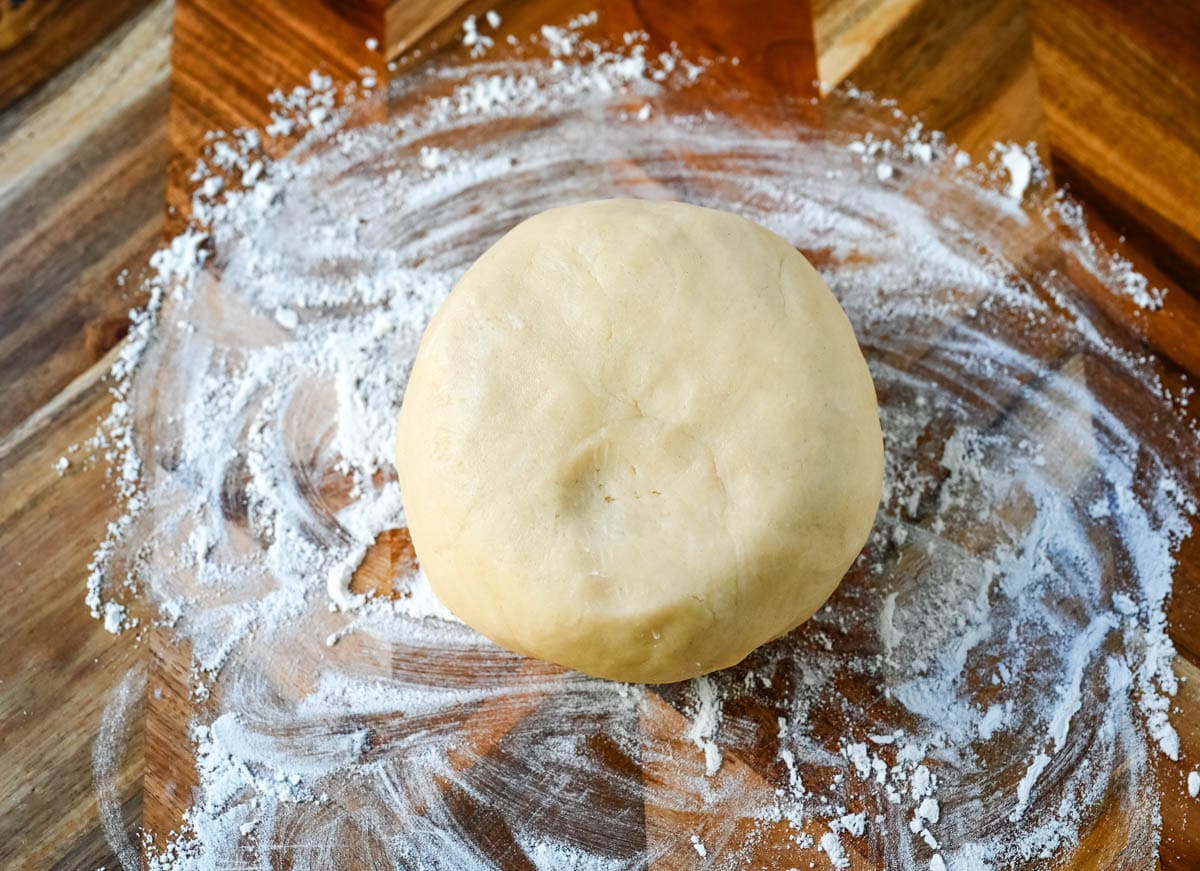
- Shape into disks. Turn the dough out onto the counter, gather it into a ball, and divide it in half. Flatten each half into a 1-inch-thick disk.
- Chill. Wrap each disk in plastic wrap and refrigerate for at least 1 hour.
How to Make Pie Crust By Hand
- Whisk the dry ingredients. In a large bowl, whisk the flour, sugar, and salt.
- Cut in the butter. Add the cold butter cubes and cut them in with a pastry blender or two forks until the butter is the size of small peas.
- Add the water. Drizzle in ⅓ cup of the ice water and vinegar mixture, stirring with a fork. Add more water 1 tablespoon at a time just until the dough holds together when squeezed.
- Shape and chill. Divide the dough in half, flatten into disks, wrap, and refrigerate for at least 1 hour.
Food processor or by hand? The food processor is faster and keeps the butter colder since your hands never touch it. Making it by hand gives you more control and only needs a bowl. Both make a flaky, tender crust.
Rolling, crimping, blind baking, and troubleshooting
How to roll out the pie crust
- Let the chilled dough sit on the counter for 5 to 10 minutes so it doesn’t crack.
- Lightly flour the counter and rolling pin. Roll from the center out, giving the dough a quarter turn every few rolls.
- Roll into a 12-inch circle about ⅛ inch thick.
- Gently roll the dough around the rolling pin and unroll it over a 9-inch pie plate. Press it into the plate without stretching.
How to crimp the pie crust
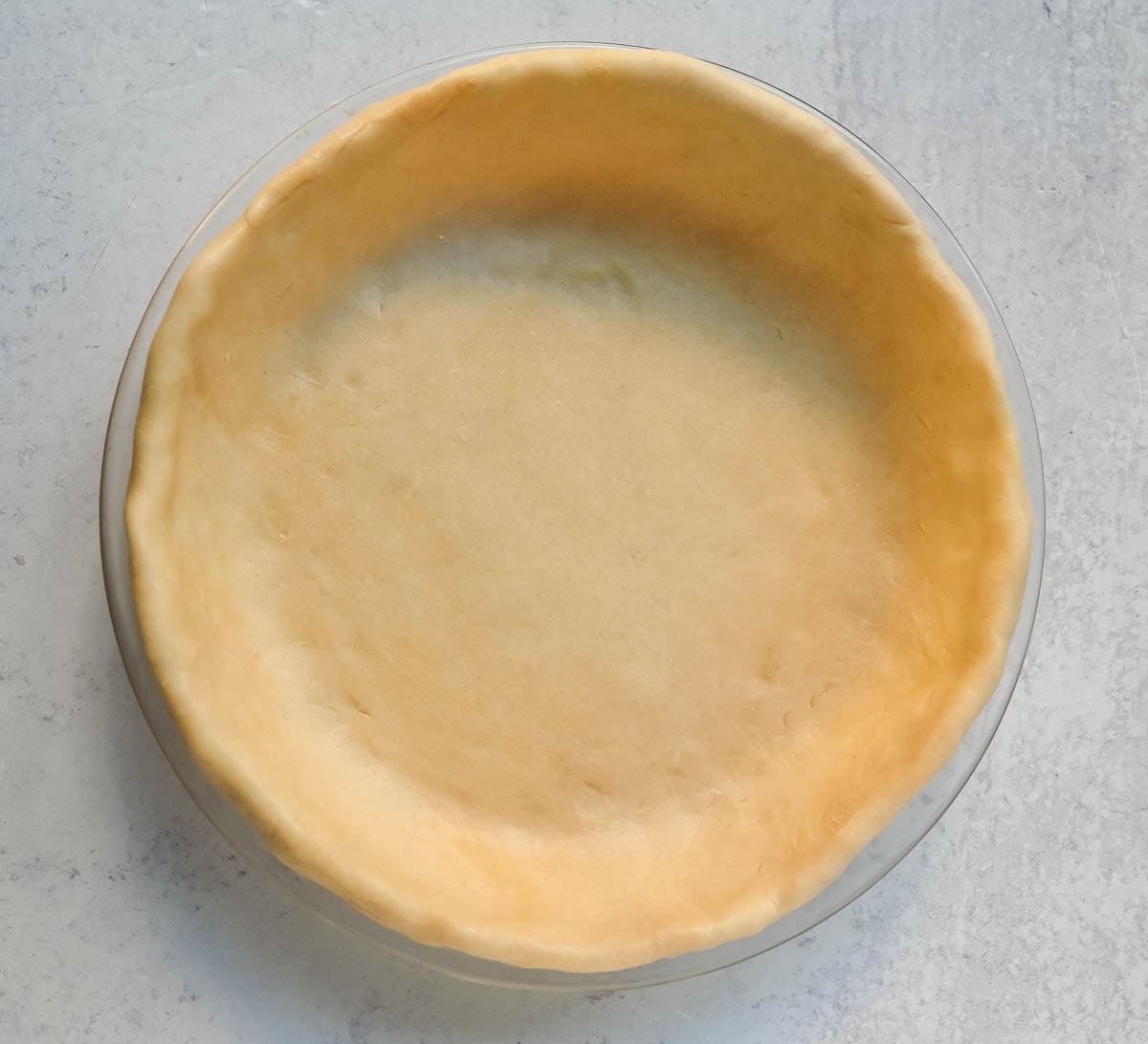
- Trim the overhang to about 1 inch, then fold it under so it sits on the rim.
- Classic fluted edge: Pinch the dough between the thumb and index finger of one hand while pushing in with the index finger of the other.
- Fork edge: Press the tines of a fork around the rim.
- Chill the crust in the pie plate for 30 minutes before baking so it holds its shape.
How to Bake Pie Crust With the Filling (Regular Pies)
For most fruit pies and many baked pies, you don’t need to blind bake. The crust and filling bake together.
Single-crust pie (like pecan pie):
- Fit the dough into a 9-inch pie plate, crimp the edges, and refrigerate for 30 minutes.
- Preheat the oven according to your pie recipe, with a rack in the lower third.
- Pour in the filling and bake as directed. If the edges brown too quickly, cover them with foil or a pie shield.
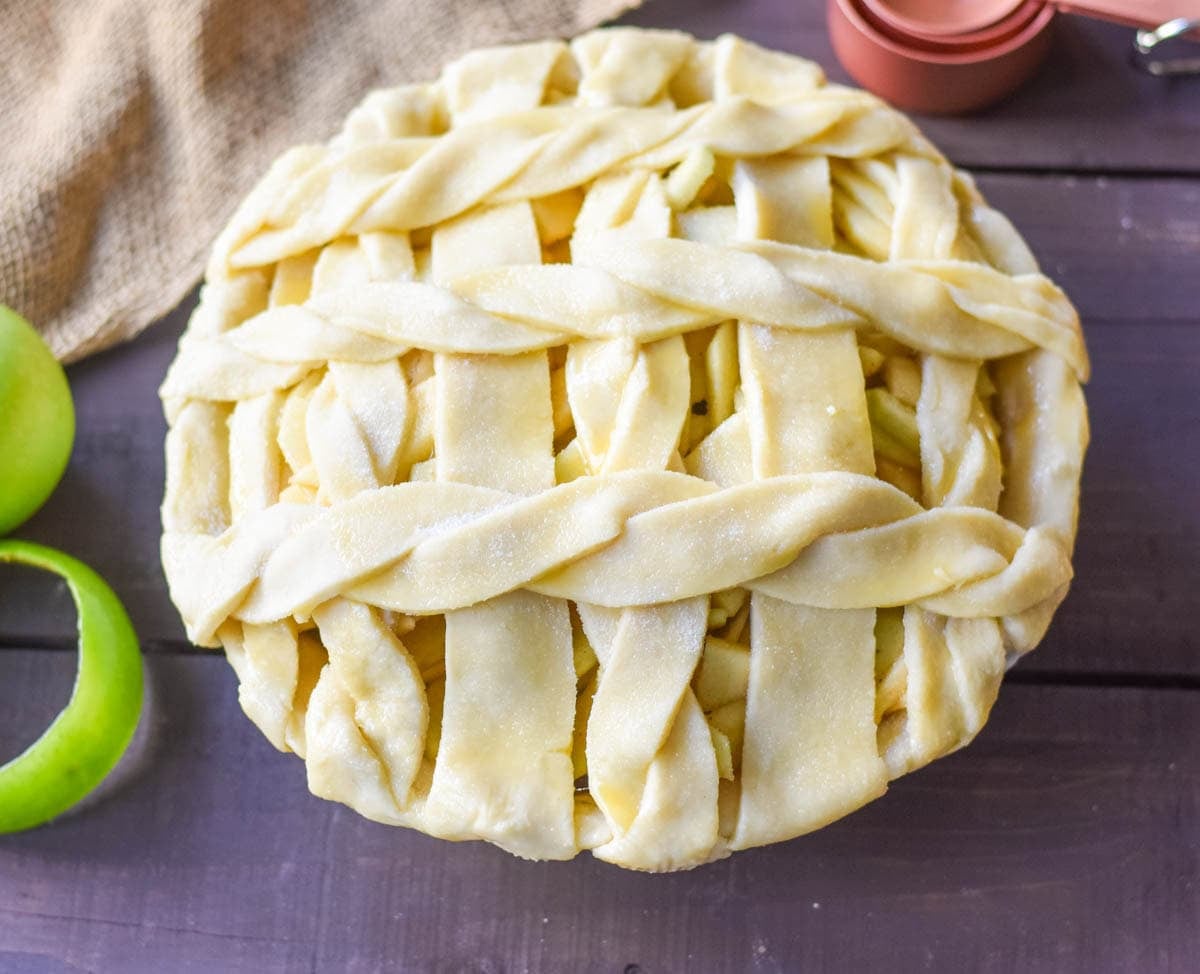
Double-crust pie (like apple pie or cherry pie):
- Roll out one disk and fit it into a 9-inch pie plate. Refrigerate while you make the filling.
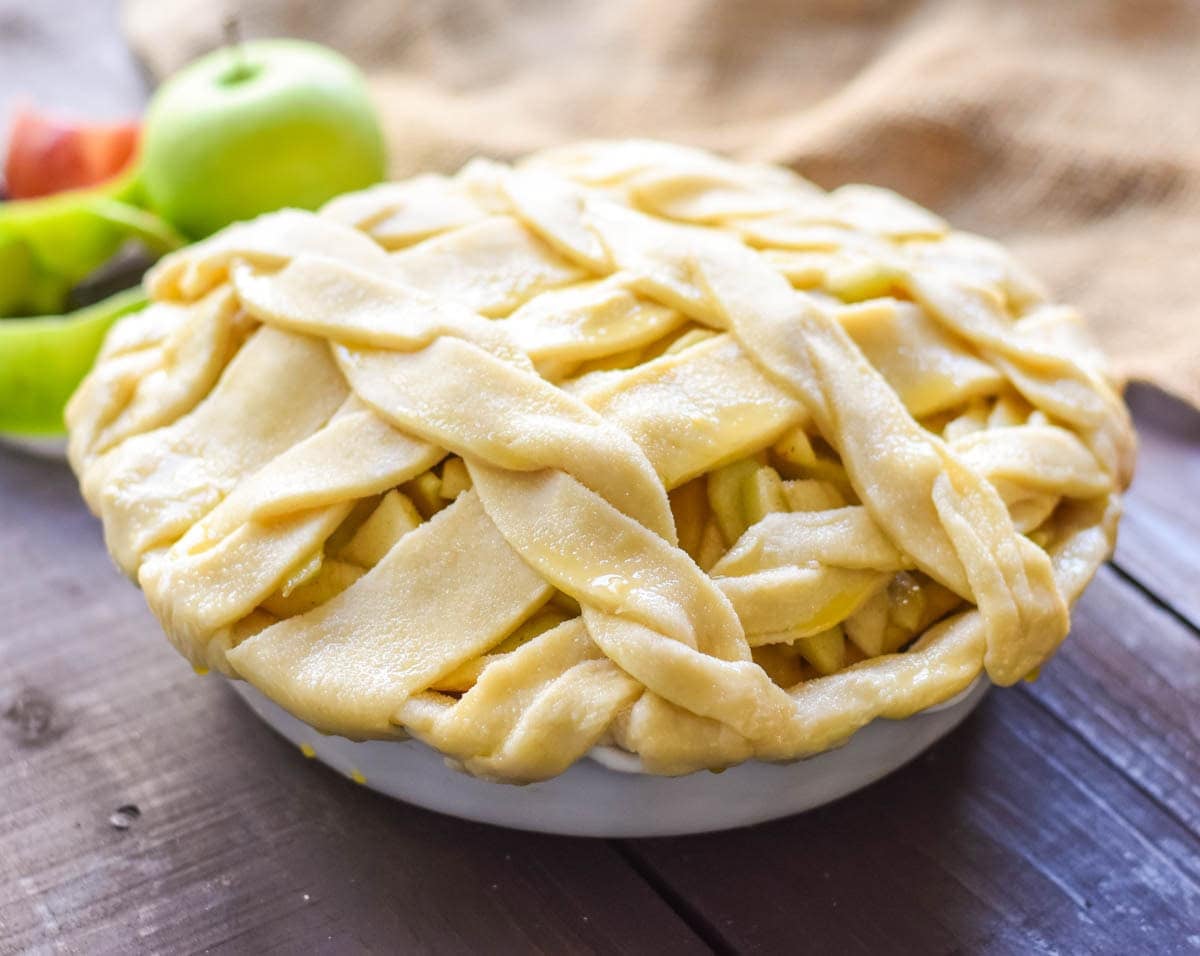
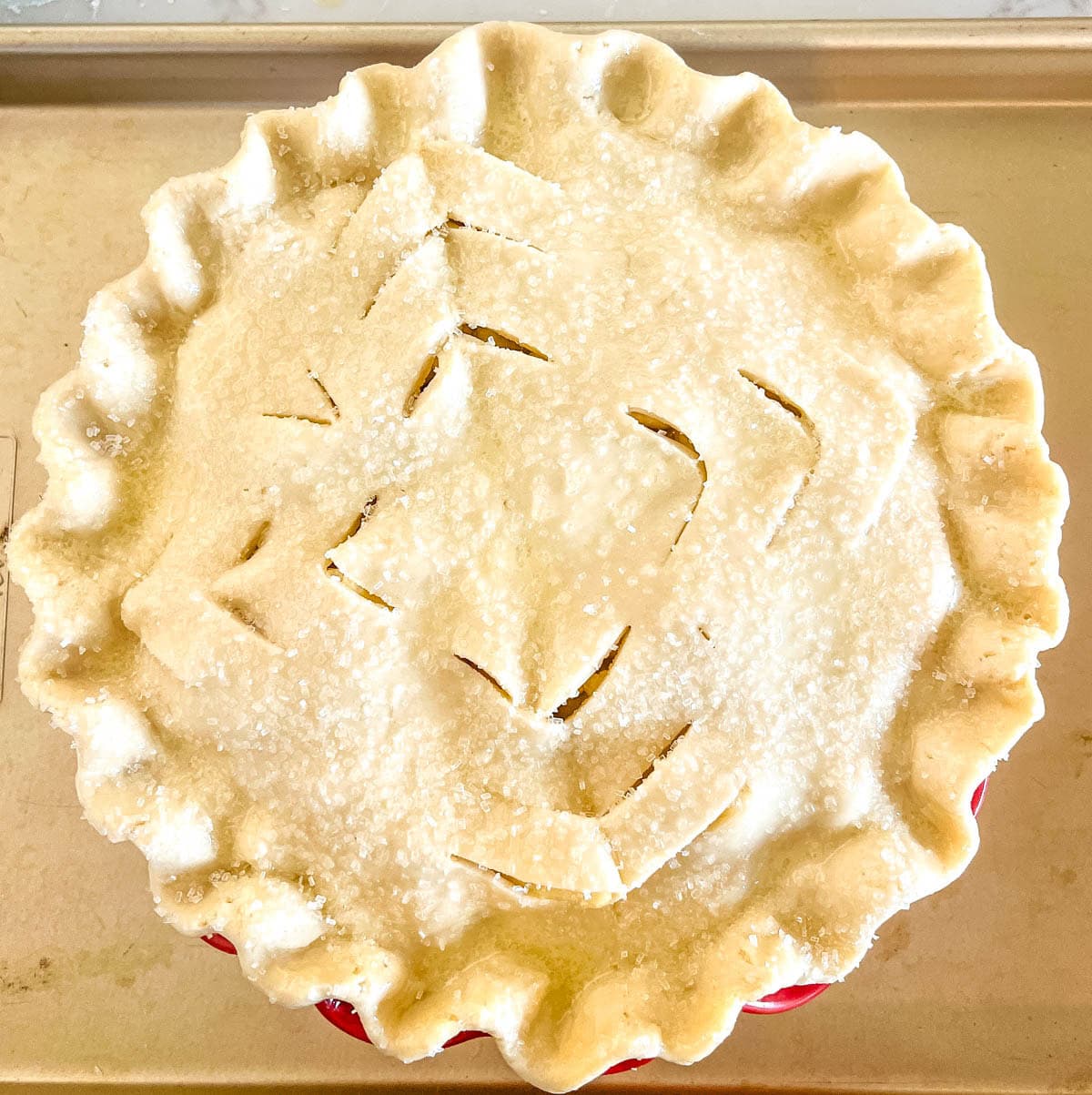
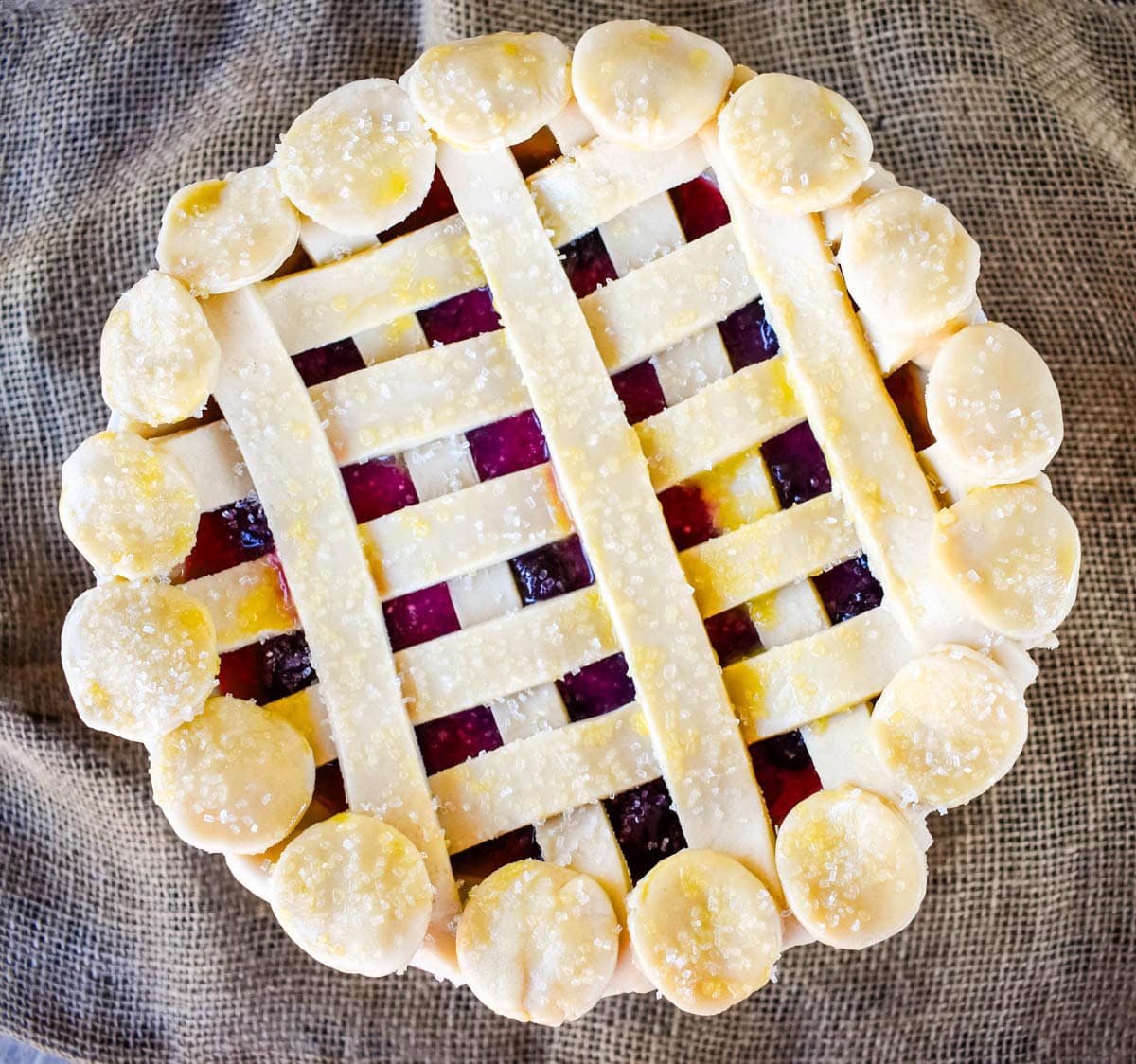
- Add the filling. Roll out the second disk into a 12-inch circle and lay it over the top (or cut it into strips for a lattice).
- Trim the top crust to a 1-inch overhang, fold it under the bottom crust’s edge, and crimp to seal.
- Cut 4 or 5 slits in the top for steam to escape.
- Refrigerate the assembled pie for 30 minutes so the butter firms up.
- Brush with egg wash (1 egg + 1 tablespoon water) and sprinkle with coarse sugar, if desired.
- Bake according to your pie recipe, usually starting at 400°F to set the crust, then lowering to 350°F until the filling bubbles. Place a baking sheet on the rack below to catch drips.
When should you blind bake?
- No blind bake: Fruit pies, double-crust pies, pecan pie, and chess pie.
- Partially blind bake: Pumpkin, custard, and quiche, which have wet fillings that can make the bottom soggy.
- Fully blind bake: Cream pies, pudding pies, and no-bake fillings that never go in the oven.
How to Blind Bake Pie Crust
Blind baking means baking the crust before adding the filling. Use it for cream pies, pudding pies, and any no-bake filling, or partially blind bake for pumpkin and custard pies to prevent a soggy bottom.
Chill or freeze the crust before blind baking
This is the most important step for a crust that doesn’t shrink or slump:
- Freeze for 30 minutes (best): After fitting and crimping the crust in the pie plate, freeze it for 30 minutes until firm. A frozen crust goes into the oven with the butter rock-solid, so the edges set before the butter melts. This gives you the flakiest crust and the sharpest crimped edge.
- Or refrigerate for at least 1 hour: If your pie plate isn’t freezer-safe or you have more time, chilling works too.
- Why it matters: Rolling the dough stretches the gluten. Chilling lets it relax so the crust doesn’t shrink down the sides, and it re-firms the butter that softened while you worked.
- Glass pie plates: Don’t move a glass pie plate straight from the freezer into a hot oven, since the sudden temperature change can crack it. Refrigerate instead, or let it sit on the counter for 10 minutes first.
What to use to weigh down the crust
Without weights, the bottom puffs up and the sides slide down as the butter melts. Weights hold the crust in place until it sets. Always line the crust with parchment paper or foil first, then fill it all the way to the top edge so the sides are supported too.
- Pie weights: Ceramic or metal beads made for blind baking. They conduct heat well for an evenly baked crust and can be used again and again.
- Dried beans: An inexpensive option that works just as well. Save them in a jar labeled “pie weights,” since they can’t be cooked to eat afterward.
- Uncooked rice: Fills every corner and is easy to spread evenly. Like beans, keep it for baking only.
Steps for Blind Baking
- Fit the dough into a 9-inch pie plate, crimp the edges, and freeze for 30 minutes (or refrigerate for 1 hour).
- Preheat the oven to 400°F with a rack in the lower third.
- Prick the bottom of the chilled crust with a fork. Line with parchment paper and fill to the top with pie weights, dried beans, rice, or sugar.
- Bake for 15 to 20 minutes, until the edges are set and lightly golden. Carefully lift out the parchment and weights.
- Partially baked (for pumpkin or custard pies): Bake 5 more minutes, until the bottom looks dry.
- Fully baked (for cream pies): Bake 10 to 15 more minutes, until golden brown all over. Cool completely before filling.
- If the bottom puffs up after removing the weights, gently press it down with the back of a spoon.
Tips for the Best Homemade Pie Crust
- Freeze the butter cubes for 10 minutes on hot days.
- Use a glass pie plate so you can see the bottom browning.
- Brush with egg wash (1 egg + 1 tablespoon water) for a shiny golden crust.
- Cover the edges with foil or a pie shield if they brown too fast.
- Bake on the lower rack for a crisp bottom crust.
Troubleshooting
- Dough is crumbly: Add more ice water 1 tablespoon at a time.
- Dough is sticky: Too much water. Dust with flour and chill longer.
- Crust cracks when rolling: It’s too cold. Let it sit 5 to 10 minutes.
- Crust shrinks in the oven: The dough was stretched or not chilled. Chill the crust in the pie plate before baking.
- Crust is tough: It was overmixed or had too much water.
- Soggy bottom: Bake on the lower rack, or partially blind bake before filling.
Make Ahead and Freezing
- Refrigerate: Wrap the dough disks tightly in plastic wrap and refrigerate for up to 3 days.
- Freeze dough disks: Wrap in plastic wrap, then place in a freezer bag. Freeze for up to 3 months. Thaw overnight in the refrigerator.
- Freeze in the pie plate: Roll out, crimp, and freeze the crust in a metal or freezer-safe pie plate. Fill and bake from frozen, adding a few minutes to the bake time.
Frequently Asked Questions
Why do you add vinegar to pie crust? A small amount of vinegar slows gluten from forming, which keeps the crust tender and easier to roll out. You won’t taste it once it’s baked.
Can I use salted butter? Yes. Reduce the salt to ½ teaspoon.
Why does my pie crust need to chill? Chilling firms up the butter for flaky layers and relaxes the gluten so the crust doesn’t shrink.
Can I make this pie crust without a food processor? Yes. Use a pastry blender or two forks to cut the butter into the flour in a large bowl.
How much dough does this make? Enough for one double-crust 9-inch pie, or two single-crust pies.
Can I make a deep-dish pie with this crust? Yes. Use one disk for the bottom of a deep-dish pie, rolling it into a 13-inch circle.
Can I use this crust for savory pies? Yes. With only 1 teaspoon of sugar, it works for quiche, pot pie, and hand pies.
What’s the difference between an all-butter crust and one with shortening? All-butter pie crust has the best flavor and flaky layers. Shortening makes dough easier to handle but has less flavor.
Popular Pie Recipes:
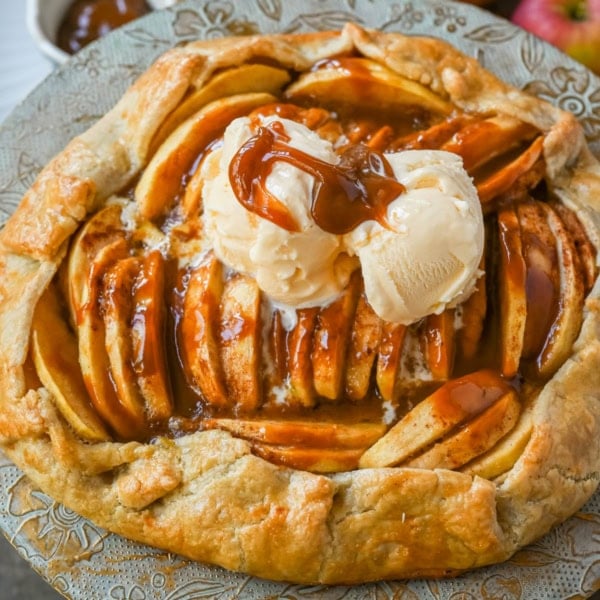
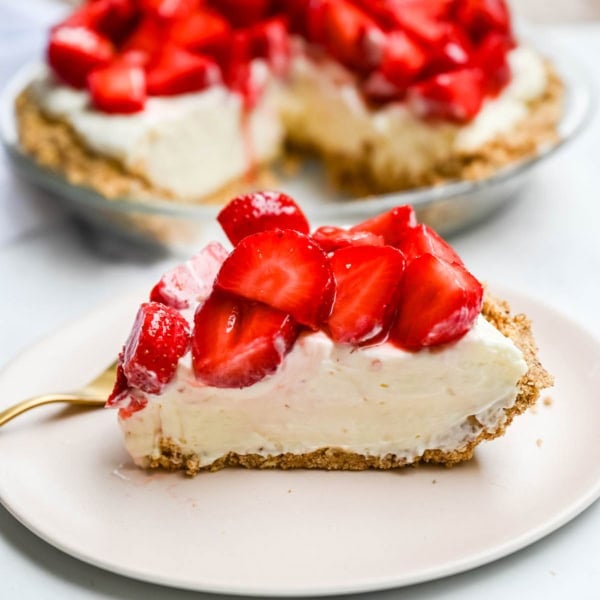
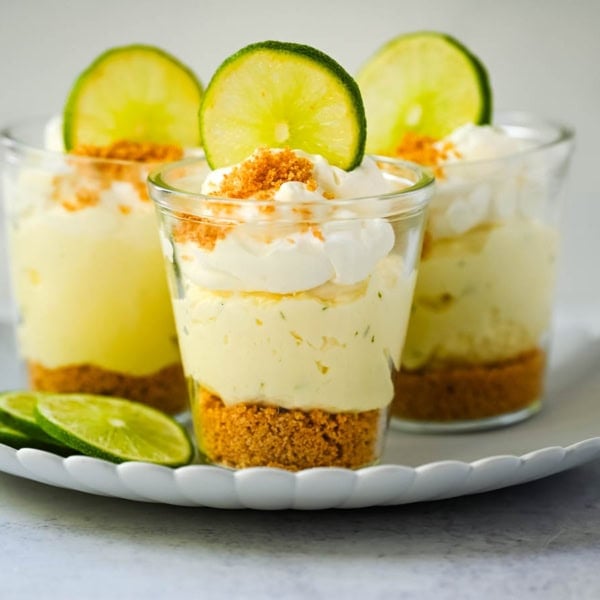
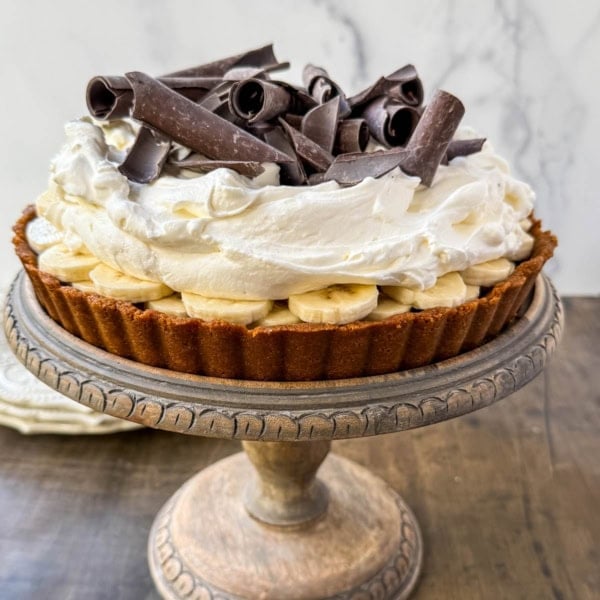
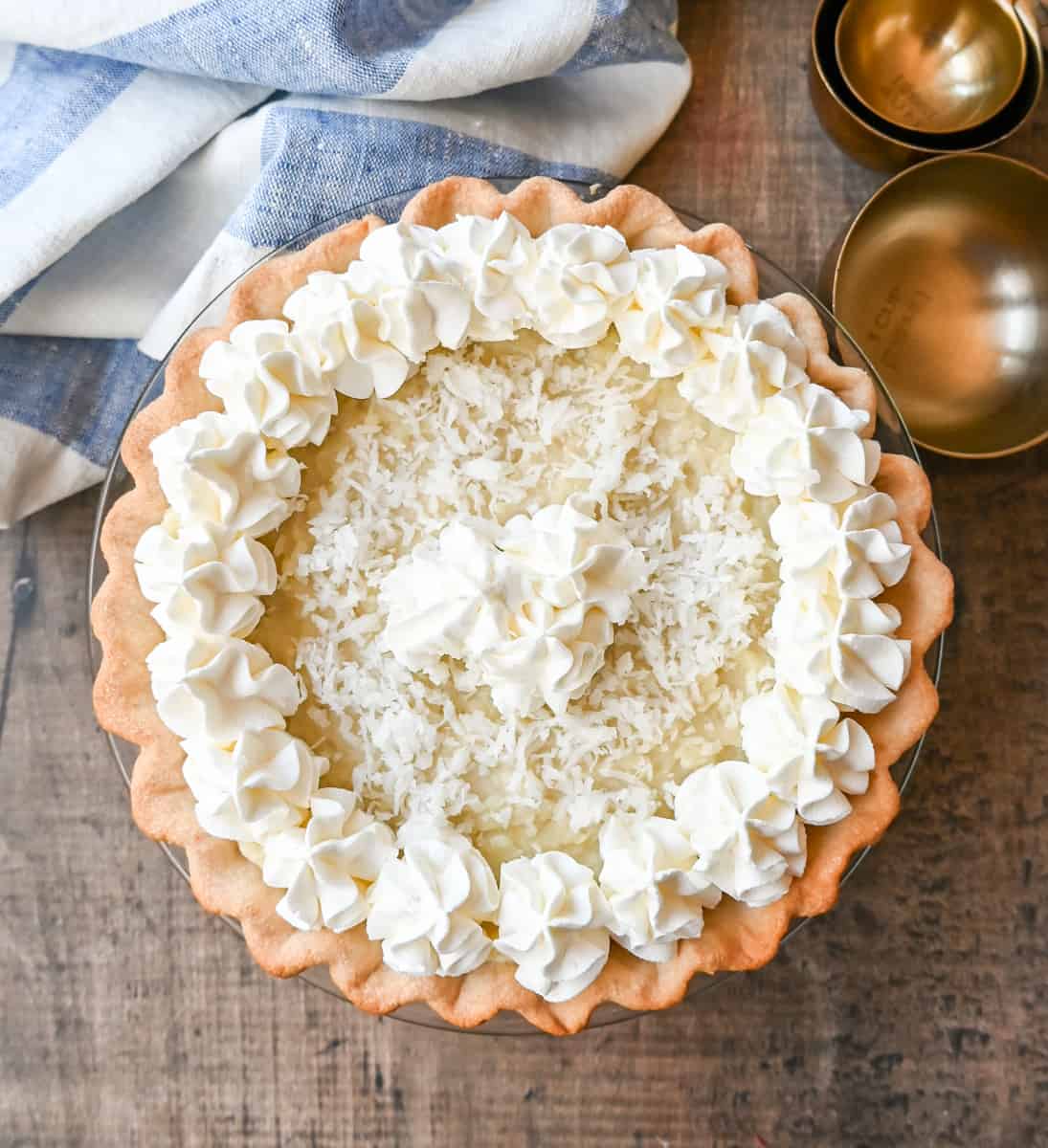
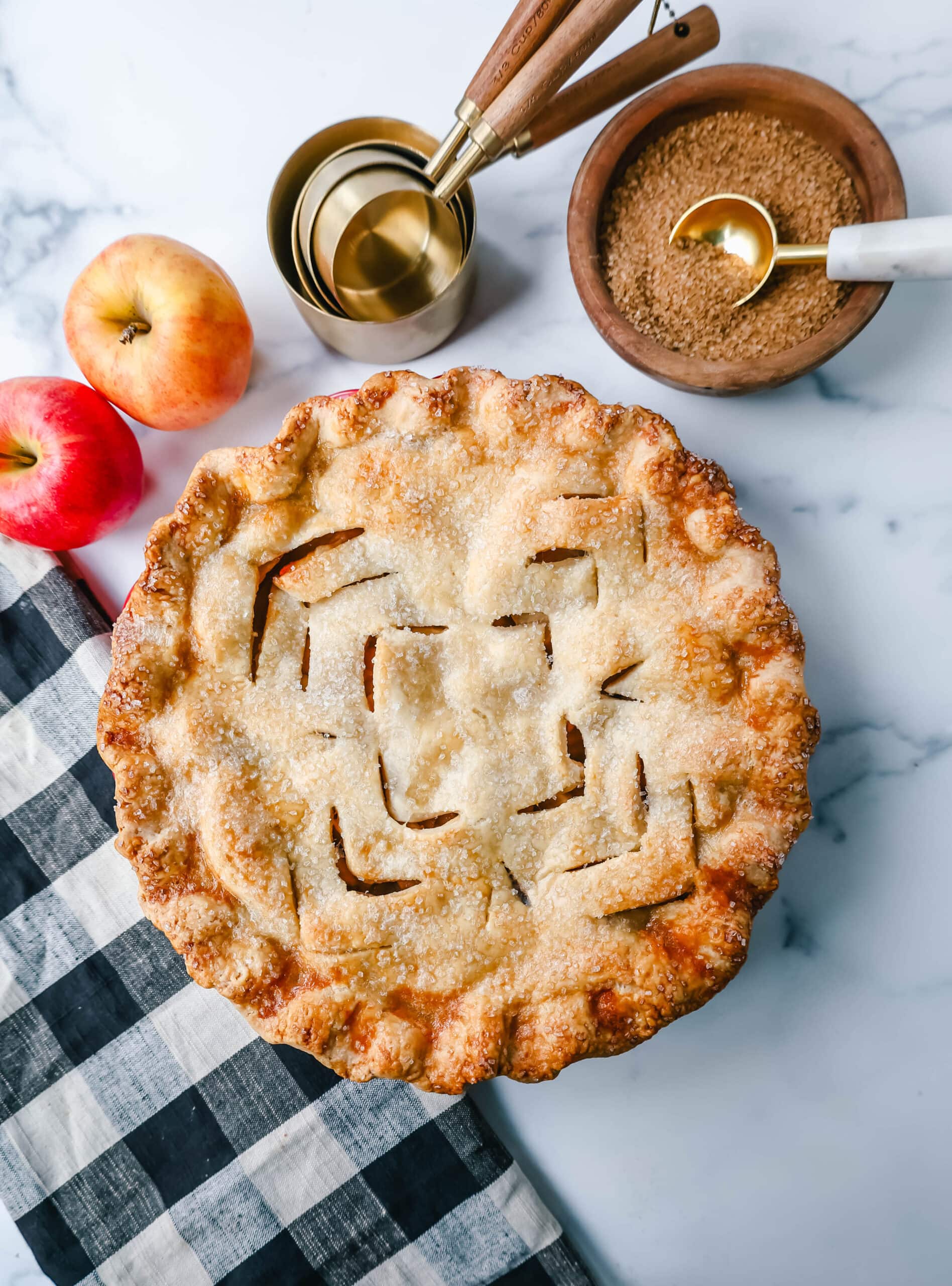
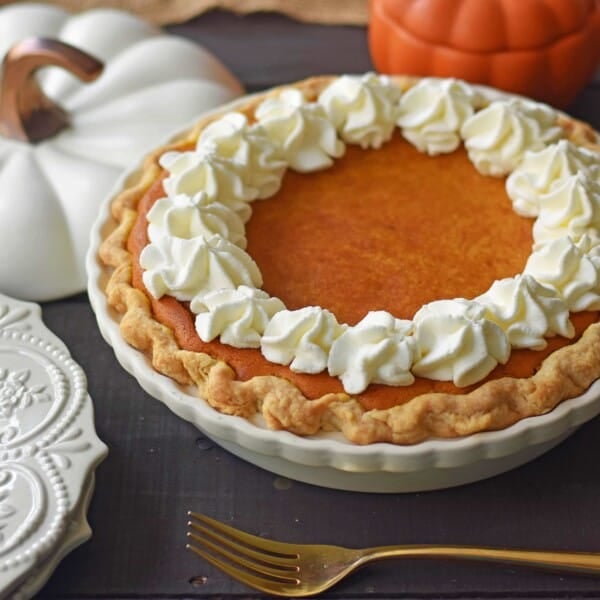
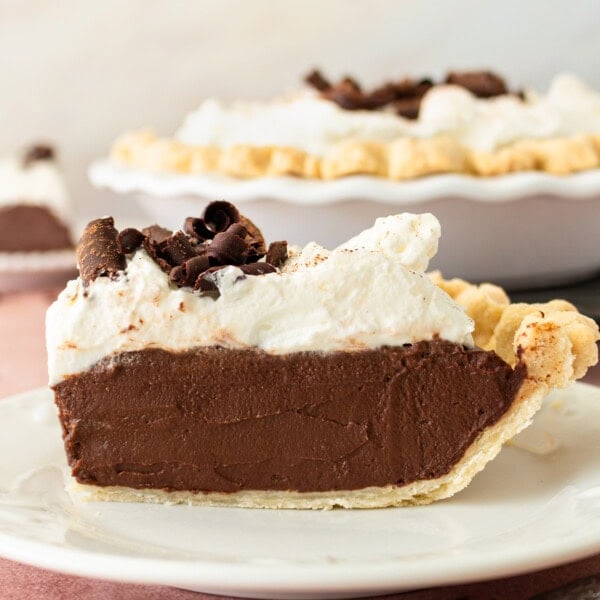
Here are the favorite pie recipes found on Modern Honey that consistently receive 5-star reviews…



Pin this now to find it later
Pin It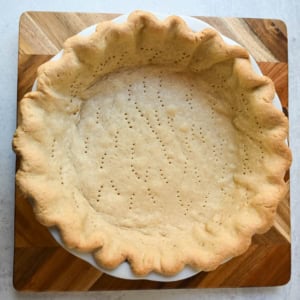
Easy Pie Crust Recipe
Ingredients
- 2½ cups All-Purpose Flour
- 1 teaspoon Sugar
- 1 teaspoon Salt
- 1 cup Unsalted Butter (2 sticks, cold straight from the fridge, cut into cubes)
- ⅓ to ½ cup Ice Cold Water
- 1 teaspoon White Vinegar
Instructions
Food Processor Instructions:
- Add the flour, sugar, and salt to a food processor and pulse a few times to combine.
- Add the cold butter cubes and pulse 8 to 10 times, until the butter is the size of small peas.
- With the processor running, drizzle in ⅓ cup of the water mixture and 1 teaspoon vinegar. Pulse just until the dough starts to clump, adding more water 1 tablespoon at a time if needed.
- Divide the dough in half and flatten into two 1-inch-thick disks. Wrap and refrigerate at least 30 minutes to 1 hour.
- Roll each disk into a 12-inch circle and fit into a 9-inch pie plate. Crimp the edges.
Bowl Instructions (by hand):
- Whisk the flour, sugar, and salt in a large bowl.
- Cut in the cold butter with a pastry blender or two forks until it’s the size of small peas.
- Drizzle in ⅓ cup of the water mixture plus vinegar, stirring with a fork. Add more water 1 tablespoon at a time just until the dough holds together when squeezed.
- Shape, chill, and bake as directed above and below.
Baked with Filling Instructions:
- Regular pie (baked with the filling): Refrigerate the crust 30 minutes, then fill and bake according to your pie recipe. For a double-crust pie, add the top crust, crimp, cut steam vents, and chill 30 minutes before baking.
Blind Bake Pie Crust:
- Blind baked pie crust: Freeze the crust 30 minutes (or refrigerate 1 hour). Prick the bottom with a fork, line with parchment, and fill to the top with pie weights or dried beans. Bake at 400°F for 15 to 20 minutes, then remove the weights. Bake 5 more minutes for a partially baked crust, or 10 to 15 more minutes until golden for a fully baked crust.
Notes
- No food processor? Make it by hand with my All Butter Pie Crust recipe.
- When to blind bake: No blind bake for fruit, pecan, or chess pies. Partially blind bake for pumpkin, custard, and quiche. Fully blind bake for cream and no-bake pies.
- Glass pie plates: Refrigerate instead of freezing, or let a frozen glass plate sit 10 minutes before baking so it doesn’t crack.
- Salted butter: Reduce the salt to ½ teaspoon.
Nutrition
Nutrition information is automatically calculated, so should only be used as an approximation.